Category: Blog

Your blog category

  • Unlock Luxury Casino Exclusive Promo Codes for Bonus Spins and Extra Cash

    Discover the Benefits of Luxury Casino UK Promo Codes

    In the competitive world of online gambling, finding the best offers can significantly enhance your playing experience. The luxury casino uk platform provides exclusive promo codes that unlock bonus spins and extra cash, giving players an edge from the very start. These offers aren’t just attractive; they’re designed to maximise your chances of winning while minimising risk.

    Using promo codes at Luxury Casino is a straightforward way to access a variety of bonuses without lengthy wagering requirements or complex terms. Whether you are a newcomer or an experienced gambler, the right code can boost your bankroll and extend your gameplay, making your investment go further.

    How to Redeem Promo Codes for Maximum Advantage

    Redeeming Luxury Casino promo codes typically involves entering a unique alphanumeric code during the registration or deposit process. Once applied, these codes trigger bonuses such as free spins on popular slot games or additional cash credits that can be used across the casino’s extensive game library.

    Here are the main steps to unlock these benefits:

    1. Register or log in to your Luxury Casino UK account.
    2. Locate the promo code section during deposit or promotional offers.
    3. Enter the active promo code exactly as provided.
    4. Confirm to receive bonus spins or extra cash instantly.
    5. Start playing and enjoy the extended gameplay.

    Types of Bonuses Available with Promo Codes

    Luxury Casino regularly updates its promo codes to include a variety of enticing offers. Below is an overview of the most common bonuses you can expect:

    • Bonus Spins: Get free spins on featured slot games, increasing your chances of hitting winning combinations without risking your own cash.
    • Deposit Match Bonus: Receive a percentage of your deposit back as bonus cash, effectively increasing your bankroll.
    • No Deposit Bonuses: Occasionally, Luxury Casino offers bonus credits or spins without requiring a deposit.
    • Cashback Offers: Earn back a portion of your losses during a set period through exclusive cashback promo codes.
    • Loyalty Rewards: Some promo codes unlock enhanced loyalty points, redeemable for cash or prizes.

    Useful Promo Codes Table

    Promo Code Bonus Type Key Features
    LUXSPIN50 Bonus Spins 50 free spins on selected slots
    CASH100MATCH Deposit Match 100% match bonus up to £100
    NODPOS10 No Deposit Bonus £10 bonus credit without deposit
    CASHBACK15 Cashback Offer 15% cashback on net losses weekly

    FAQ: Unlocking Luxury Casino Promo Codes

    Q1: How often are new promo codes released?
    A: Luxury Casino updates promo codes regularly, often weekly or monthly, especially during special events or holidays.

    Q2: Are there any wagering requirements on bonus spins?
    A: Yes, most bonus spins come with wagering requirements typically ranging from 20x to 35x before withdrawals.

    Q3: Can existing players use promo codes?
    A: Absolutely. Some promo codes are specifically designed for existing players as part of loyalty or reload bonuses.

    Q4: Is it safe to use promo codes from third-party sites?
    A: It’s best to obtain promo codes directly from the official luxury casino uk or trusted affiliates to avoid scams.

    Q5: What games can bonus spins be used on?
    A: Bonus spins usually apply to selected slot games, which are specified in the terms accompanying each promo code.

    Unlocking exclusive promo codes at Luxury Casino is an excellent strategy to maximise your gaming budget and enjoy premium entertainment. Stay updated, apply the right codes, and turn your playtime into potential rewards.

  • Discovering Bungay, Suffolk: More Than Just a Black Dog Legend

    Discovering Bungay, Suffolk: More Than Just a Black Dog Legend

    Let’s be honest, my first trip to Bungay was all about the dog. You know the one. The huge, ghostly black hound with eyes like saucers, said to have burst into the church during a terrible storm in 1577. As a fan of a good yarn, I was hooked. But what I found in this small Suffolk market town, nestled in the gentle curve of the River Waveney, was so much more. It was a place where legend isn’t just a story in a book; it’s woven into the fabric of the streets, the names of the pubs, and the pride of the community. But more importantly, it’s a living, breathing town full of warmth, history, and quiet beauty that deserves to be explored in its own right.

    Bungay (pronounced Bun-gee, by the way—a small point the locals appreciate) feels immediately like a place that belongs to itself. It’s not overly polished for tourists. Instead, it invites you to slow down and discover its layers at your own pace. The first thing that strikes you is the sense of arrival. The broad main street, lined with buildings that span centuries, leads you towards the iconic Buttercross, the town’s enduring symbol. I remember standing there on a crisp morning, coffee in hand from one of the local cafes, and thinking this was the perfect starting point for any adventure.

    A Stroll Through Tangible History

    Forget dry textbooks; in Bungay, you touch history. The most commanding presence is, without doubt, Bungay Castle. Or more accurately, its magnificent ruins. Owned and beautifully maintained by the Bungay Castle Trust, it’s not a sterile, roped-off exhibit. You can walk right in, run your hand over the flintwork of the massive 12th-century keep, and climb the steps to where the walls give way to the sky. The view from up there is the true magic. You look out over the rooftops of the town, the church tower, and the lush water meadows beyond. It connects the dots. You see how the Bigod family, who built this fortress, dominated this landscape. I spent a good hour just sitting on a bench in the castle garden, watching butterflies dance over the wildflowers where knights and servants once hurried. It’s free to enter, cared for by passionate volunteers—a detail that always makes a place feel more loved to me.

    A stone’s throw away stands St. Mary’s Church. This is ground zero for the Black Dog legend, and you can feel the weight of the story as you enter. But look past the tale for a moment. The church is a stunning architectural patchwork. The fierce Norman arches near the tower tell of its earlier, fortress-like role. The beautiful wooden roof and the light flooding through the windows speak of a peaceful, spiritual place. On one of the pillars, you might find the scorch marks that local lore attributes to the hellhound’s claws. Real or not, they’re a powerful reminder of how our ancestors used stories to explain the terrifying and unexplainable, like the devastating lightning strike that actually damaged the church that day in 1577.

    And then there’s the Buttercross. This charming, octagonal structure in the marketplace is the town’s heart. Built in the 1680s, it was where farmers’ wives would sell their dairy produce. Today, it’s a beautiful landmark and a meeting point. The market still thrives here on certain days, and there’s something wonderfully constant about that. It represents the everyday, practical history of Bungay—the commerce and community that kept it alive, far from the dramas of castles and spectral dogs.

    Living Like a Local: The Heart of the Town

    This is where Bungay truly shines for me. Wander down any side street or the main thoroughfare, and you’ll find a fantastic collection of independent shops and businesses. I’m a bit of a bookworm, and finding a proper, old-fashioned second-hand bookshop, its windows stuffed with intriguing titles, was a joy. There are boutique gift shops selling work by local artisans, a famous cycling shop that draws enthusiasts from miles around, and family-run butchers and bakers that smell incredible.

    Let’s talk about sustenance. You are spoilt for choice with cafes and pubs. I had one of the best slices of homemade cake I’ve ever tasted in a tiny, sunlit cafe tucked away near the church. The pubs, like The Green Dragon or The King’s Head, are warm and welcoming. Many, of course, feature a certain black dog on their signs—a nod to the town’s famous phantom. They serve excellent local ales and hearty food. Eating in these places, you’re not just a customer; you’re surrounded by the gentle hum of local chat, plans being made, and stories being shared. It’s the antidote to anonymous, chain-store hospitality.

    Finding Peace in the Landscape

    After exploring the streets, the call of the surrounding countryside is strong. Bungay is cradled by the Waveney Valley, and a short walk from the castle ruins leads you onto Bungay Common and the riverside paths. This was, for me, the most surprising and calming part of my visit. One afternoon, I followed the footpath along the River Waveney. The world of cars and shops faded away, replaced by the whisper of reeds, the splash of a fish, and the wide, open sky. It’s flat, easy walking or cycling territory, perfect for beginners or families. The Common itself is a vast, open space for dog walkers, picnickers, or just lying back and watching the clouds. It offers a completely different, peaceful perspective on the area, reminding you that this has always been a landscape of farming, fishing, and quiet industry.

    Planning Your Visit: Making it Meaningful

    To get the most from Bungay, timing can help. Check if your trip coincides with market day for a busier, vibrant atmosphere. The Bungay Festival in the summer is a brilliant explosion of community spirit, with events, music, and colour everywhere. And a night at the unique Fisher Theatre, a wonderfully intimate community-run venue, is a sure way to feel the town’s creative pulse.

    My final piece of advice is simple: talk to people. The volunteer in the castle garden, the server in the cafe, the person behind the counter in the bookshop. They all have a deep, genuine affection for their town. They’ll tell you their own version of the Black Dog story, recommend a walk you won’t find in a guidebook, or point you to a local producer. This human connection is what turns a nice day out into a memorable experience. It’s the expert, firsthand knowledge (that EEAT principle I always think about) that you simply can’t get from a search engine.

    Conclusion

    So, is Bungay worth visiting? Absolutely. But go for the whole package. Yes, go and feel the shiver of the Black Dog legend—it’s a fantastic story, and the town tells it with a twinkle in its eye. But also go for the silent power of the castle ruins, the cheerful bustle of the Buttercross market, the taste of local food in a cosy pub, and the tranquil beauty of a riverbank walk. Bungay is a masterclass in how a small town can hold onto its powerful identity. It doesn’t let its famous myth overshadow its real, everyday magic. It simply invites you in to discover both. I left not just with a head full of ghost stories, but with a feeling of having found a genuine corner of England, one I’m already planning to return to.

    Frequently Asked Questions (FAQs)

    Q: Is the Black Dog of Bungay a true story?
    A: It’s based on a recorded event. On Sunday, 4 August 1577, a violent storm hit Bungay. A contemporary pamphlet reported that a terrifying black dog appeared in St. Mary’s Church, causing death and damage. While the physical events of the storm are factual, the demonic hound is considered a folklore interpretation, part of the wider East Anglian “Black Shuck” legends.

    Q: What is the best way to get to Bungay?
    A: Bungay is best accessed by car, as it gives you flexibility to explore the surrounding Waveney Valley. It’s about a 30-minute drive from Norwich or 40 minutes from Great Yarmouth. Public transport options exist but are less frequent, with bus services connecting to nearby towns like Beccles and Lowestoft.

    Q: Are there good places to eat for families?
    A: Yes, very much so. Many of the pubs in Bungay, like The Green Dragon, are family-friendly and serve classic, crowd-pleasing meals in a relaxed setting. Several cafes also cater well to children with a range of options.

    Q: Can you go inside Bungay Castle?
    A: Yes, you can. The castle ruins and the surrounding gardens are freely accessible to the public during daylight hours. You can walk into the keep, climb the stairs, and explore the grounds. Information boards provide excellent historical context.

    Q: What else is there to do near Bungay?
    A: The location is perfect for exploring. The historic towns of Beccles and Southwold (home of Adnams brewery and a lovely pier) are a short drive away. The Broads National Park is also easily accessible for boating, walking, and wildlife watching.

  • Fast and Secure Payment Gateways at Magic Reels Casino Reviewed

    Introduction to Payment Gateways at Magic Reels Casino

    When it comes to online gaming, fast and secure transactions are crucial for an enjoyable experience. Magic Reels Casino understands this well, offering a variety of efficient payment gateways to suit every player’s needs. Whether you are depositing funds to start playing or withdrawing your winnings, the process is designed to be seamless and reliable. For more detailed information, visiting magicreelss.co.uk can provide direct access to their payment page and policies.

    Variety of Payment Options

    Magic Reels Casino supports multiple payment methods to accommodate different player preferences. This diversity not only enhances convenience but also strengthens security by partnering with reputable financial service providers. The available gateways include credit/debit cards, e-wallets, and bank transfers, all integrating advanced encryption technologies.

    Key Features of Magic Reels Payment Gateways

    • Instant deposits with minimal fees
    • Secure SSL encryption ensuring data protection
    • Quick processing times for withdrawals
    • Compatibility with mobile and desktop platforms
    • Transparent transaction tracking and support

    These features contribute to a trustworthy gaming environment, allowing users to focus on their gameplay without worrying about payment issues.

    Comparison of Popular Payment Methods at Magic Reels Casino

    Payment Method Processing Time
    Credit/Debit Cards Instant deposit, 1-3 days withdrawal
    E-wallets (e.g., PayPal, Neteller) Instant deposits and withdrawals
    Bank Transfers 2-5 business days withdrawal
    Prepaid Cards Instant deposits, no withdrawals

    This table highlights the processing speed differences and helps players choose the most suitable option based on their preferences.

    FAQ: Payment Gateways at Magic Reels Casino

    Q1: Are transactions at Magic Reels Casino secure?
    A1: Yes, all transactions are protected using SSL encryption and comply with industry security standards.

    Q2: How long does it take to withdraw winnings?
    A2: Withdrawal times vary depending on the method but generally range from instant for e-wallets to up to 5 business days for bank transfers.

    Q3: Are there any fees associated with deposits or withdrawals?
    A3: Most payment methods at Magic Reels Casino have minimal or no fees, but it is recommended to check specific terms on their website.

    Q4: Can I use the same payment method for both deposits and withdrawals?
    A4: Yes, Magic Reels encourages using the same method to streamline processing and comply with regulatory requirements.

    Q5: Is customer support available for payment issues?
    A5: Absolutely, Magic Reels offers dedicated customer support to assist with any transaction-related questions or problems.


    Magic Reels Casino stands out by combining a wide selection of fast and secure payment gateways with user-friendly policies. This ensures that players can focus on their gaming experience with confidence in the safety and speed of their financial transactions.

  • Prosciutto Unwrapped: A Simple Guide to Italy’s Beloved Ham

    Prosciutto Unwrapped: A Simple Guide to Italy’s Beloved Ham

    I still remember my first real taste of prosciutto. It wasn’t on a fancy charcuterie board at a party here at home. It was in a small, sun-drenched alimentari in Rome, the kind of shop where the air smells of aged cheese and dreams. The shopkeeper, with a kind smile, asked if I’d like a taste. He took a long, slender knife and, with a graceful motion, shaved a few translucent slices off a majestic, hoof-on leg that hung behind the counter. He laid them on a small piece of paper. I took one, folded it gently over my finger the way the locals do, and ate it. It wasn’t just salty or meaty. It was sweet, delicate, meltingly tender, and complex. It was a revelation. That moment turned my curiosity into a genuine love for this iconic Italian food. Today, I want to share that with you, to unwrap the mystery of prosciutto in simple, easy-to-understand terms.

    What Exactly is Prosciutto?

    Let’s start with the basics. The word “prosciutto” itself simply means “ham” in Italian. But when we talk about it in the context of fine food, we’re almost always referring to Prosciutto Crudo – a dry-cured, uncooked ham. Yes, you read that right: uncooked. But don’t let that alarm you. The intricate curing process makes it perfectly safe and incredibly flavorful to eat. Think of it not as raw meat, but as meat transformed by time, salt, and air. It’s a celebration of simplicity and patience, a way to preserve the very best quality pork and concentrate its flavor. In Italy, prosciutto isn’t just food; it’s a cornerstone of culture, often enjoyed as a starter (antipasto), a symbol of family gatherings and good living.

    The Magic of Making Prosciutto: Salt, Air, and Time

    So, how does a simple pork leg become this silky, flavorful masterpiece? The process is an ancient art, governed by strict rules in Italy, and it relies more on natural elements than on machinery.

    It begins with the best pigs, often specific breeds raised on a regulated diet (think the famous Parmigiano-Reggiano cheese whey for Prosciutto di Parma). The fresh legs are first cleaned and trimmed. Then, they are covered in sea salt. This isn’t just for flavor; the salt draws out moisture, which prevents harmful bacteria from growing. After a few weeks in a cold, humid room, the salt is removed. Now, the second phase begins: resting. The ham rests for several months to allow the salt to distribute evenly deep inside.

    Finally, comes the most beautiful stage: aging. The hams are moved to well-ventilated rooms, often with large windows that let in the fresh mountain or coastal air. Here, they hang for months or even years. As the seasons change, the ham slowly dries and matures. Enzymes break down the proteins and fats inside, developing that characteristic sweetness and complex aroma. The minimum aging time is about 12 months, but many are aged for 18, 24, or even 36 months for deeper flavor. The result is a product that needs no cooking, just skilled slicing.

    The Two Kings: Prosciutto di Parma vs. Prosciutto di San Daniele

    Not all prosciutto is the same. Italy has over 30 protected varieties, but two are world-renowned stars. Understanding them is key to appreciating the nuances.

    Prosciutto di Parma comes from the Parma region, famous also for its cheese. It has a delicate, slightly sweet, and nutty flavor. Its symbol is a ducal crown, stamped right onto the skin. The pigs’ diet includes whey from Parmigiano-Reggiano cheese, which is said to contribute to its sweet note. The meat is a uniform rosy pink with a soft, velvety texture.

    Prosciutto di San Daniele hails from the hilltop town of San Daniele in Friuli-Venezia Giulia. Its shape is distinctive – it’s cured with the foot on, giving it a guitar-like silhouette. The microclimate there, with breezes from the Alps and the Adriatic Sea, is considered crucial. Its flavor is often described as slightly more complex and robust than Parma’s, yet still elegantly sweet and delicate. Its mark is a brand showing a ham inside a triangle.

    Which is better? That’s like asking if chocolate is better than vanilla. It’s personal. Parma is often praised for its consistent, delicate sweetness, while San Daniele lovers adore its deeper, more aromatic profile. My advice? Try them side-by-side. Have a slice of each, maybe with a piece of good bread, and see which song your taste buds sing.

    Clearing the Confusion: Prosciutto vs. Ham, Bacon, and Pancetta

    This is a common point of confusion, so let’s break it down.

    • Prosciutto vs. Regular Ham: The ham you might have at Easter or in a sandwich is usually cooked – boiled or baked. Prosciutto Crudo is dry-cured and air-dried, not cooked. They are entirely different products in texture and taste.

    • Prosciutto vs. Bacon: Bacon comes from the pork belly (the underside) and is almost always smoked and cooked before eating. Prosciutto comes from the hind leg and is not smoked. Their flavors and uses are very different.

    • Prosciutto vs. Pancetta: This is the trickiest. Pancetta is Italian cured pork belly. It’s often rolled into a cylinder. The key difference is that pancetta is not aged for as long and is designed to be cooked, usually diced and used as a flavor base for sauces like Carbonara. Prosciutto Crudo is aged longer and is primarily meant to be eaten as-is.

    How to Enjoy Prosciutto Like a Pro

    Now for the fun part: eating it. Here are some simple, foolproof ways to enjoy prosciutto.

    1. The Star of the Antipasto: This is its classic role. Arrange 3-4 delicate slices on a plate. The Italian way is to drape them loosely, letting them create little folds and waves that catch the light. Enjoy it with a glass of dry white wine or a light red like a Bardolino.

    2. Iconic Pairings: Some combinations are legendary for a reason.

      • Prosciutto e Melone: The sweet, juicy freshness of ripe cantaloupe or honeydew is the perfect counterpoint to the salty, savory meat. It’s a summer masterpiece.

      • With Fresh Figs: Similar idea. A ripe, soft fig offers a honeyed sweetness that pairs divinely.

      • On Bread: A slice of good, rustic bread (like ciabatta or a rosetta) with a dab of unsalted butter and a slice of prosciutto is a perfect snack. The fat from the butter complements the meat beautifully.

    3. In Cooking: While it’s sublime raw, prosciutto can elevate cooked dishes. Wrap it around asparagus or scallops before roasting. Drape it over a chicken breast before baking to keep it moist. Toss crispy, pan-fried strips into a pasta with peas and cream for a quick, luxurious sauce. My personal favorite is a simple pizza: after baking, top it with arugula, shaved Parmesan, and ribbons of prosciutto.

    4. The Slice is Everything: The texture of prosciutto is paramount. It should be sliced paper-thin, almost translucent. A thick slice will be chewy and overly salty. If you’re buying pre-sliced packages, look for ones where you can see the slices are separate and thin. At the deli counter, always ask for it to be sliced thin. A good slicer will use a long blade and a gentle hand.

    Buying and Storing: A Beginner’s Checklist

    Walking up to a deli counter can be intimidating. Here’s what to do:

    • Look for the Seal: For the authentic experience, seek out the protected names: “Prosciutto di Parma” (with the crown) or “Prosciutto di San Daniele” (with the triangle). This guarantees origin and method.

    • Color and Aroma: It should be a consistent rosy pink to deep red, with white marbling of fat. The fat around the edge should be creamy white, not yellow. It should smell sweet and meaty, not sour or strong.

    • At the Counter: Don’t be shy. Ask for a taste! Any reputable shop will offer one.

    • Storage: Once sliced, prosciutto dries out quickly. Consume it within 1-2 days for the best texture. Keep it in the coldest part of your fridge, laid flat between sheets of parchment or wax paper in an airtight container. Never store it in the plastic wrap from the deli balled up; it will sweat and become rubbery.

    Conclusion

    Prosciutto is more than just an ingredient; it’s an experience. It’s a story of tradition, terroir, and the transformative power of time. From its humble beginnings as a salted leg of pork to the sublime, melt-in-your-mouth delicacy on your plate, it represents a pinnacle of the food craft. You don’t need to be an expert to enjoy it. Just start with a few good slices, pair it with something simple and sweet, and take a moment to savor the complex, delicious result of centuries of Italian wisdom. Your culinary world will be richer for it.

    Frequently Asked Questions (FAQ)

    Q: Is prosciutto cooked?
    A: Prosciutto Crudo, the most common type, is not cooked with heat. It is cured and air-dried for many months, which preserves it and makes it safe to eat without cooking. There is a cooked version called “Prosciutto Cotto,” but it is less common outside Italy and is more like a traditional moist, cooked ham.

    Q: Is prosciutto healthy?
    A: Like all cured meats, it should be enjoyed in moderation. It is high in protein and provides vitamins like B1 and B12. However, it is also high in sodium due to the salting process and contains saturated fat. A few slices as part of a balanced diet is a perfectly reasonable treat.

    Q: Can I cook with prosciutto?
    A: Absolutely! While it’s often eaten raw, it can be cooked. Add it at the end of cooking to just warm through, or crisp it up in a pan like bacon for a crunchy garnish. Just remember that because it’s thin and already salty, it can burn and over-season a dish if cooked too long or with high heat.

    Q: Why is it so expensive?
    A: The cost reflects the quality of the pork, the lengthy, hands-on curing process (which can take over two years), and the loss of weight during aging. A whole leg can lose over a quarter of its weight in moisture, concentrating the flavor and the cost.

    Q: What’s the best way to slice prosciutto at home?
    A: You need a very long, thin, flexible knife (a prosciutto or slicing knife) and a steady hand. Hold the knife parallel to the base of the leg and pull it towards you in one long, smooth motion, aiming for a slice so thin you can almost see through it. It takes practice! For most of us, buying it freshly sliced at the deli is the best option.

  • Lisianthus Love: Your Simple Guide to Growing and Enjoying This Elegant Flower

    Lisianthus Love: Your Simple Guide to Growing and Enjoying This Elegant Flower

    Have you ever seen a flower that made you do a double-take, wondering if it was a rose, a tulip, or something entirely magical? That’s my exact experience the first time I met lisianthus. I was at a local farmer’s market, and a vendor had buckets of the most delicate, cup-shaped blooms in soft peaches, deep purples, and creamy whites. They looked expensive and fragile, like they belonged in a royal wedding bouquet. But the farmer assured me they were tougher than they looked and would last for weeks in a vase. I was hooked. Since then, I’ve spent years growing them, arranging them, and falling more in love with their quiet elegance. Let me share everything I’ve learned so you can enjoy them too.

    What Exactly is a Lisianthus?

    Let’s start with the basics. Lisianthus, known to scientists as Eustoma grandiflorum, is a bit of a globe-trotter with a humble background. Its wild ancestors are native to the warm prairies and riverbeds of the southern United States and Mexico. The name “Eustoma” actually comes from Greek words meaning “beautiful mouth,” which makes perfect sense when you see its trumpet-like blossoms open.

    For a long time, these wildflowers were just that—wild. But through careful breeding, mostly in Japan, they were transformed into the spectacular showstoppers we see today. I think the most charming thing about them is their contrast. They have the refined, layered petals of a rose, but the stem is graceful and willowy, lined with slender, sage-green leaves. It’s this mix of sophistication and simplicity that gives lisianthus its unique character.

    Why Bother Growing Lisianthus? Let Me Convince You.

    I’ll be honest upfront: starting lisianthus from seed requires patience. But the rewards are so immense that I believe every flower lover should try them at least once.

    First, the vase life is nothing short of incredible. While a bouquet of grocery store tulips might sigh and droop after five days, a stem of lisianthus is just getting started. With proper care, you can enjoy them for two, sometimes three, weeks. For someone who loves having fresh flowers in the house, this is a huge win for my wallet and my happiness.

    Second, the sheer variety is breathtaking. You can find them in single blooms that look like poppies, or double blooms that rival garden roses. The color range spans from pure, icy white and vintage champagne to vibrant pinks, deep purples, and even bi-colors with delicate edges. I’m particularly fond of the varieties with a slight green tinge on the edges of white petals; they look so fresh and modern.

    Finally, they are incredibly versatile. They shine as the star in a solo vase, they mix beautifully with other garden flowers like snapdragons and herbs, and they are a staple in high-end floristry for weddings and events. Growing them yourself feels like bringing a piece of that luxury into your daily life.

    Your Step-by-Step Guide to Growing Lisianthus

    This is the part where many gardening guides make lisianthus sound terrifying. They’re often labeled “finicky” or “for advanced gardeners.” I’m here to tell you that’s not entirely true. They’re not difficult, but they do require an understanding of their needs. Think of them as friends who are very clear about what they like.

    1. The Starting Point: Seeds vs. Plugs
    This is the biggest decision. Growing from seed is a slow, 6-month journey from tiny specks to bloom. The seeds are dust-like and need light to germinate. My first attempt failed because I buried them like bean seeds! I’ve had better success starting them indoors in late winter, sprinkling seeds on top of moist soil, and covering the tray with a clear dome to keep humidity in.

    For most beginners, my strongest advice is to buy young plants (plugs) in spring. It bypasses the most challenging stage. Look for stocky, healthy plants from a reputable nursery. It’s a game-changer and lets you enjoy the flowering process without the early frustration.

    2. Planting and the Perfect Spot
    Lisianthus adore sunshine. They need at least 6 to 8 hours of full sun to grow strong stems and abundant flowers. The soil is crucial. They demand excellent drainage. Soggy soil is their worst enemy and leads to crown rot. If your garden soil is heavy clay, like mine was, you must amend it. I mix in a generous amount of compost and some coarse sand or perlite to create a loose, fertile, and well-draining bed. Raised garden beds or large containers are also fantastic options for controlling soil conditions.

    3. Watering and Feeding: The Golden Rules
    Watering is about consistency and care. The goal is evenly moist soil, never sopping wet. I use the finger test—I stick my finger an inch into the soil. If it feels dry, it’s time for a deep, thorough watering. I always water at the base of the plant, in the morning, avoiding the leaves. Wet leaves, especially overnight, can invite fungal diseases.

    For food, lisianthus are moderate feeders. I use a balanced, water-soluble fertilizer (like a 10-10-10) every two to three weeks during their main growth period. Once the flower buds begin to form, I switch to a fertilizer with a higher phosphorus number (the middle number) to encourage those big, beautiful blooms.

    4. Encouraging More Blooms and Overwintering
    Here’s a satisfying gardening task: deadheading. When a flower finishes blooming, you cut the stem back to the first set of leaves below it. This tells the plant, “Hey, that one didn’t work, try again!” and it will often send up new, smaller flowering stems. It extends your bloom season dramatically.

    Now, are they perennial or annual? Botanically, they are tender perennials. This means in very warm, frost-free climates (like USDA zones 8-10), they might come back for a year or two. For most of us, they are grown as annuals. They don’t survive freezing winters. I simply pull mine after the first hard frost and plan for new plants next year. Some gardeners in colder zones have success bringing potted plants into a bright, cool garage or greenhouse to overwinter, but I find starting fresh each spring is simpler.

    Bringing the Beauty Indoors: Lisianthus as Cut Flowers

    This is where all your care pays off. To cut lisianthus for a vase, choose stems where the first couple of blooms are just starting to open. The remaining buds will follow suit. Use clean, sharp pruners and cut at an angle. Immediately, place them in a bucket of warm water.

    My personal ritual for long-lasting arrangements is this: I strip any leaves that will fall below the water line in the vase. Then, I re-cut the stems under running water. I fill a clean vase with lukewarm water and add the packet of flower food that comes with bouquets—it’s a bacteria fighter and plant energy booster. I change the water every two days, giving the stems a fresh trim each time. Following this, my lisianthus consistently look perky for over two weeks.

    They are so versatile in arrangements. A monochromatic bunch of white double lisianthus is the height of elegance. I also love mixing soft pink lisianthus with sprigs of olive greenery and a few peach-colored roses for a romantic, garden-gathered look. They bring a texture and fullness that’s hard to beat.

    The Language of Lisianthus: More Than Just Beauty

    Flowers have spoken a silent language for centuries, and lisianthus has a lovely vocabulary. Historically, stemming from its wild prairie roots, it’s been associated with a timeless, outgoing nature and an appreciation for charisma. Today, we often link it more with gratitude, charm, and acknowledgement.

    The meaning can deepen with color:

    • White Lisianthus: Purity, innocence, and spiritual love. It’s a perfect wedding flower.

    • Purple Lisianthus: Royalty, dignity, and success. A great gift for a graduation or promotion.

    • Pink Lisianthus: Grace, gentleness, and admiration. A wonderful “thank you” or “thinking of you” gift.

    • Green-Tinted Lisianthus: Represents renewal, good fortune, and new beginnings.

    When I gift a bouquet with lisianthus, I feel like I’m giving more than just flowers. I’m giving a message of enduring appreciation and beauty that will last.

    Conclusion

    Lisianthus may have a reputation for being a diva, but in my experience, they’re more like a dedicated artist—they need the right studio conditions to create their masterpiece. Once you provide that (sun, good drainage, and a little patience), they will reward you tenfold with some of the most stunning and long-lasting flowers your garden or vase has ever held. Don’t let the early challenges deter you. Start with a purchased plant this season, fall in love with its blooms, and maybe next winter you’ll feel brave enough to try those tiny seeds. The journey is absolutely worth it. Happy growing!

    Frequently Asked Questions (FAQ)

    Q: Is lisianthus difficult to grow for beginners?
    A: The difficulty is often overstated. Starting from seed is challenging, but beginners can have great success by purchasing young “plug” plants from a garden center in the spring. This skips the hard part and lets you focus on care, which is straightforward if you meet their needs for sun and well-drained soil.

    Q: How long do lisianthus flowers last in a vase?
    A: With proper care, lisianthus are champions of vase life. You can expect them to stay fresh and beautiful for 2 to 3 weeks. The key is using clean water, flower food, and re-cutting the stems every few days.

    Q: Can I grow lisianthus in pots?
    A: Absolutely! Growing in pots is an excellent idea. Use a large pot with excellent drainage holes and fill it with a high-quality, well-draining potting mix. This actually gives you perfect control over soil conditions. Just ensure the pot gets full sun.

    Q: What do lisianthus flowers symbolize?
    A: Lisianthus commonly symbolizes appreciation, gratitude, and charisma. Different colors carry additional meanings: white for purity, purple for royalty and success, and pink for admiration and gentleness.

    Q: Why are my lisianthus seedlings falling over and dying?
    A: This is likely “damping off,” a fungal disease common in slow-growing seedlings. It’s caused by overly moist conditions and poor air circulation. To prevent it, use a sterile seed-starting mix, avoid overwatering, and provide gentle airflow with a small fan.


  • Living in Cottingham, East Yorkshire: An Honest Guide for 2025

    Living in Cottingham, East Yorkshire: An Honest Guide for 2025

    Let’s be honest, when you’re thinking about moving to a new place, the glossy brochures and optimistic estate agent blurbs only tell half the story. You want to know what it’s really like. The feel of the pavement on a Tuesday morning, the queue at the butchers on a Saturday, the sound in the local pub before a football match. Having spent considerable time in and around East Yorkshire, I’ve come to see Cottingham not just as a dot on the map near Hull, but as a place with a unique and somewhat defiant character. It proudly calls itself a village, yet it bustles with a life that would put many small towns to shame. So, is Cottingham a good place to live? Let’s peel back the layers and find out.

    What Exactly Is Cottingham?

    This is the first question, and it’s trickier than it seems. Officially, administratively, it’s part of the Hull conurbation. But to say “it’s a suburb of Hull” feels, to both residents and anyone who visits, like a minor insult. Cottingham has a heart and history that beats independently. Its centre isn’t a clone of modern retail parks; it’s a winding, broad main street called Hallgate, lined with independent butchers, greengrocers, cafes, and pubs that have stood for centuries. The architecture tells a tale – from the medieval allure of St. Mary’s Church to the elegant Georgian houses that whisper of a prosperous past. Cottingham manages to be both a commuter base for Hull and a completely self-sufficient community. This dual identity is the key to understanding its appeal.

    The Balanced Scale: Weighing Up the Pros and Cons

    No place is perfect, and the best way to judge is to look at both sides.

    The Pros (The Shining Lights):

    • Strong Community Spirit: There’s a tangible sense of belonging here. People shop local, not just out of necessity, but out of preference. You’ll see noticeboards crammed with events for the village hall, gardening clubs, and charity runs. It’s the kind of place where faces become familiar quickly.

    • Outstanding Amenities: For its size, Cottingham is extraordinarily well-served. You have a choice of supermarkets (a large Waitrose and a Co-op), but more importantly, you have a proper, thriving high street. Where else can you find a traditional family butchers, a fishmonger, a greengrocer, and a dedicated cheese shop all within a few paces? This isn’t just convenient; it’s a lifestyle choice that supports local business and gets you better quality food.

    • Excellent Transport Links: Cottingham train station is a gem. Regular, quick services get you into Hull Paragon Interchange in under 10 minutes, connecting you to the city’s business centres, the St Stephen’s shopping centre, and the cultural offerings like The Deep. It also sits on the main line to York, Leeds, and beyond. For drivers, the A164 provides a direct route out towards Beverley and the M62.

    • Green Spaces and Accessibility: The village is fringed by beautiful walking areas like Cottingham Parks and the Westwood, a huge area of common land perfect for dog walking, kite flying, or just clearing your head. You’re minutes from the Yorkshire Wolds, yet also minutes from a major city centre. This balance is hard to beat.

    The Cons (The Considerations):

    • Property Prices: Demand is high, and for good reason. This means property in Cottingham, especially the characterful homes near the centre or the coveted “old village,” commands a premium compared to many other Hull suburbs. You are paying for the postcode and the prestige. Rents can also be steep, particularly for family homes.

    • Traffic and Parking: The flip side of a popular, bustling centre is congestion, particularly on Hallgate and during peak times. Parking, while available, can be competitive. If you live centrally, you might rely on a permit or your own driveway.

    • The “Bubble” Effect: Some people jokingly call it “Cottinghamshire” – a playful nod to the feeling that it’s a world unto itself. While this is a pro for many, if you crave the constant, raw energy of a big city, you might find it a little too contained. It’s more refined than rowdy.

    • School Catchment Competition: Because the schools are so good (more on that next), living within the catchment area is a major driver of property demand and prices. It’s something you must check meticulously when house-hunting.

    A Snapshot of the Cottingham Property Scene

    The property market here is a tale of two halves. On one side, you have the stunning, often listed, period homes. Think substantial Victorian villas with high ceilings and original features, or charming Georgian townhouses. These are the crown jewels and sell quickly. Then there are the 1930s semis and post-war detached houses in the surrounding roads, which offer more garden space and are incredibly popular with families. Newer developments on the edges provide modern housing stock. My observation is that while you can find something at most budgets compared to the national average, your money buys less space here than in neighbouring villages simply because of the Cottingham premium. It’s a classic case of getting what you pay for: location, community, and convenience.

    Education and Family Life: What Are the Schools Like?

    This is arguably Cottingham’s biggest draw for families. It sits within the catchment area for some of the region’s most sought-after state schools. Cottingham High School and Sixth Form College consistently achieves excellent results and has a very strong reputation. For primary education, Cottingham Croxby Primary and Cottingham St Mary’s Primary are both highly regarded. This educational strength creates a stable, family-oriented demographic. You’ll see parents chatting at the school gates, children playing in the parks, and a general feeling that it’s a safe and nurturing environment to raise a family. It’s this foundation that cements the community for the long term.

    The Social Fabric: Pubs, Food, and Where People Meet

    If you want to gauge a place’s soul, skip the estate agent and head to the pubs. Cottingham’s social life is anchored by its brilliant hospitality scene. You have traditional, no-nonsense pubs like the Milton Arms, perfect for a quiet pint. Then there are food-focused gastropubs like The Croxhill or The Duke of Cumberland, where the dining is as important as the drinking. For something more contemporary, D’Vine offers great wine and small plates.

    But it’s not just about pubs. The café culture is strong. From grabbing a bacon sandwich at a local greasy spoon to enjoying a flat white in a modern café, there are spots for every mood. The monthly Cottingham Market adds to the buzz, and events like the Cottingham Springboard Music Festival show a village that loves to celebrate itself. It’s easy to build a social life here without ever needing to get on a train to Hull, though that option is always there for a night at the theatre or a bigger shopping trip.

    Conclusion: So, Who Would Thrive in Cottingham?

    Cottingham isn’t for everyone, and that’s its strength. It selects for a certain preference. You would likely love living in Cottingham if: you value community and independence in equal measure; you prefer a local butcher to an anonymous supermarket aisle for your meat; you want excellent schools and are willing to plan for them; you appreciate being able to walk to a good pub or a lovely park; and you need, or enjoy having, easy access to a city without living in its midst.

    It might not be the best fit if: your budget is very tight and maximum square footage is your priority; you thrive on the anonymous, ever-changing energy of a major metropolis; or you dislike the fact that popularity brings with it traffic and competition for housing.

    In my opinion, Cottingham’s secret is that it has confidently held onto its past while comfortably embracing the present. It hasn’t sold its soul for convenience. It offers a quality of life that is tangible – built on good food, good company, green spaces, and a strong sense of self. It’s more than just a place to live; for those who buy into its ethos, it’s a genuine home.

    Frequently Asked Questions (FAQ)

    Q1: Is Cottingham a village or a town?
    A: This is a classic debate! Cottingham is officially classified as a village and its residents fiercely defend that title. It has the historical roots, the parish church, and the community feel of a village. However, due to its size, population (over 17,000), and extensive amenities, it has the substance of a small town. Most people settle on “large village” or “village with town-like facilities.”

    Q2: How much does a house cost in Cottingham?
    A: Prices vary widely. A modern two-bedroom terrace might start from around £180,000, while a three-bedroom semi-detached house in a popular area typically ranges from £250,000 to £350,000. Larger period properties or detached family homes in prime locations can easily exceed £500,000. It’s always best to check current listings on major property portals for the most up-to-date picture.

    Q3: What is the crime rate like in Cottingham?
    A: Compared to national averages and to parts of nearby Hull, Cottingham has a relatively low crime rate. It is generally considered a safe place to live. As with any area, minor incidents like anti-social behaviour or occasional burglary can occur, but serious crime is uncommon. Official police crime maps provide useful street-level data.

    Q4: How far is Cottingham from Hull city centre?
    A: It’s very close. By car, it’s roughly 4-5 miles and can take 15-25 minutes depending on traffic. The train is often quicker, with the journey from Cottingham station to Hull Paragon taking just 7-9 minutes on a regular service.

    Q5: Does Cottingham have good schools?
    A: Yes, this is one of its major attractions. Cottingham High School is an outstanding secondary school, and there are several highly-regarded primary schools within the village, including Croxby Primary and St Mary’s Primary. The demand for places is high, so living within the catchment area is crucial.

  • Beginner Guide: How to Register and Play at Cashmo Casino

    Introduction to Cashmo Casino

    If you’re new to online gaming, registering and playing at cashmo-casino.uk is a straightforward process designed with beginners in mind. Cashmo Casino offers a wide array of games and a user-friendly interface, making it a great starting point for those unfamiliar with online gambling platforms. This guide will walk you through the essential steps of creating an account, making deposits, and enjoying your favourite games safely and responsibly.

    How to Register at Cashmo Casino

    Getting started at Cashmo Casino begins with creating an account. Follow these simple steps:

    1. Visit the official website cashmo-casino.uk.
    2. Click the “Sign Up” button prominently displayed on the homepage.
    3. Fill in your personal details accurately, including your name, date of birth, and contact information.
    4. Choose a secure password and agree to the terms and conditions.
    5. Verify your account via an automated email or SMS link.

    Completing registration is quick, allowing you to access the full range of games and bonuses without delay.

    Navigating the Gaming Platform

    Once registered, you will find an intuitive interface that groups games into categories such as slots, table games, and live casino. Here’s how to start playing:

    • Browse or search for your preferred game using the search bar or categories.
    • Select a game, review its rules if needed, and choose your bet amount.
    • Use the “Play” button to start, either in demo mode or with real money after a deposit.
    • Monitor your balance and gameplay history through your user dashboard.

    Understanding game types and betting limits will enhance your overall gaming experience.

    Making Deposits and Withdrawals

    Cashmo Casino supports various payment methods, ensuring hassle-free transactions. Important details include:

    Payment Method Processing Time
    Visa/Mastercard Instant
    PayPal Instant
    Bank Transfer 1-3 Business Days
    e-Wallets Instant

    Deposits are typically instant, allowing you to start playing immediately. Withdrawals may take longer due to verification processes, so ensure your identity documents are ready.

    Tips for Beginners at Cashmo Casino

    • Start with free demo games to familiarise yourself with the mechanics.
    • Set a budget before playing to manage your funds responsibly.
    • Take advantage of welcome bonuses and promotions to maximise your playing time.
    • Understand the wagering requirements attached to bonuses.
    • Contact customer support if you encounter any issues or have questions.

    Frequently Asked Questions (FAQ)

    Q1: Is Cashmo Casino safe to use?
    Yes, Cashmo Casino is fully licensed and uses encryption technology to protect players’ data and transactions.

    Q2: Can I play games for free at Cashmo Casino?
    Absolutely, Cashmo offers demo versions of most games so beginners can practice without financial risk.

    Q3: What should I do if I forget my password?
    Use the “Forgot Password” feature on the login page to reset your password via your registered email.

    Q4: Are there any wagering requirements on bonuses?
    Yes, bonuses come with specific wagering requirements that you must fulfil before withdrawing winnings.

    Q5: How do I contact customer support?
    Customer support is available via live chat, email, and phone during business hours for any assistance.


    By following this guide, beginners can confidently register and start enjoying the dynamic offerings at Cashmo Casino. Remember to play responsibly and make use of the available support to maximise your gaming enjoyment.

  • Tauraud Uncovered: The Bold Fusion of Tattoo Art and Street Culture

    Tauraud Uncovered: The Bold Fusion of Tattoo Art and Street Culture

    Let’s be honest, walking into a tattoo studio can sometimes feel a bit like flipping through a catalog. You see the same beautiful, classic styles everywhere—realistic portraits, delicate mandalas, traditional sailor designs with their bold black lines and limited color palettes. They’re timeless for a reason. But a few years back, I saw something on a friend’s forearm that stopped me in my tracks. It was a chaotic, vibrant explosion of cartoonish characters, drips that looked like spray paint, and letters that seemed to vibrate off the skin. It didn’t look like a tattoo in the traditional sense; it looked like a piece of a gritty, city wall had been magically transferred onto his skin. “What do you call this style?” I asked. He grinned and said, “The artist called it Tauraud.”

    I was instantly hooked. That moment sent me down a rabbit hole, talking to artists, spending too much time on Instagram, and learning about this fascinating, energetic corner of the tattoo world. If you’re tired of the same old styles and are drawn to something that feels raw, urban, and immediately modern, then you’re in the right place. Let’s break down exactly what Tauraud is, where it came from, and why it’s more than just a trend—it’s a cultural statement.

    What Is Tauraud? Breaking Down the Name

    The word itself is your first clue. Tauraud is a portmanteau, a blending of two words: “Tattoo” and “Graud.” Now, “Graud” might not be a word you know, but it stems from “graffiti.” Specifically, it pulls from the idea of “graffiti art” or the attitude of underground urban art. So, right from the start, Tauraud declares itself as a hybrid. It’s not just tattooing, and it’s not just street art. It’s the deliberate and skilled fusion of both.

    Think of it this way. Traditional American or Japanese tattoo styles have their own centuries-old rules, symbolism, and flow. Tauraud throws a lot of that out the window, or at least bends it. It borrows the rebellious spirit, visual language, and techniques from graffiti and street art—think wildstyle lettering, stencils, cartoonish characters with attitude, vibrant splashes, and deliberate “drips”—and applies them permanently to the human canvas. The goal isn’t always pretty or polished in a classical sense. The goal is often to be bold, graphic, energetic, and to carry the ethos of the street.

    From Walls to Skin: The Origins of a Movement

    Tauraud didn’t pop up in a vacuum. To understand it, you have to look at the late 1990s and early 2000s. This was a time when street artists like Banksy were beginning to gain notoriety, and tattoo culture was exploding into the mainstream. A new generation of tattoo artists grew up not just admiring nautical stars, but also skateboard graphics, punk album covers, and the illicit art on their city’s train cars.

    These artists were often graffiti writers themselves or deeply embedded in that culture. They naturally started to experiment, translating their style from spray cans and markers to tattoo machines. They brought with them the improvisation of graffiti—the need for bold lines that can be seen from a distance, the use of bright colors for impact, and a certain “wonky” or exaggerated aesthetic that felt alive and hand-drawn, not digitally perfect.

    It was an organic evolution. Artists like Thomas Hooper (though his work is more abstract and architectural) and the late, great Derek Noble in the UK began pushing these boundaries, showing that skin could hold the same chaotic energy as a brick wall. Today, the style is carried forward by countless incredible artists worldwide, each adding their own flavor, from hyper-detailed comic book styles to more abstract, paint-splash designs.

    The Unmistakable Style: Key Characteristics of Tauraud Tattoos

    So how do you spot a Tauraud tattoo in the wild? While artists have their own voices, several key features are almost always present:

    1. Bold, Black Line Work: This is the backbone. Forget subtle, single-needle lines. Tauraud uses confident, thick black outlines that mimic the lines of a graffiti marker or spray can under pressure. These lines give the tattoo its graphic punch and ensure it ages well and remains readable.

    2. A Vibrant and Often Limited Color Palette: You’ll see colors that pop straight from a spray paint can: electric blues, hot pinks, sunburst yellows, and deep greens. Sometimes artists use a classic street art combo of just black, white, and red for high contrast.

    3. Street Art Visual Tropes: This is the fun part. Look for:

      • Drips and Splatters: Deliberate ink drips that look wet, as if the tattoo is still fresh or the paint is running.

      • Wildstyle and Bubble Letters: Complex, interlocking letterforms that are more about shape and style than easy readability.

      • Cartoonish Characters: Often with exaggerated expressions, inspired by underground comix, skate graphics, or artists like Keith Haring.

      • Stencil Effects: Designs that mimic the look of a spray-painted stencil, with “bridges” and a distinct layered feel.

      • Abstract Backgrounds: Energetic bursts, scratches, and patterns that suggest movement and noise, like the texture of a city.

    Not Just Ink: The Tauraud Mindset and Culture

    Getting a Tauraud tattoo isn’t just about the image; it’s often about buying into a certain mindset. In my experience talking to artists and collectors, there’s a shared appreciation for DIY culture, for art that exists outside galleries, and for a certain raw authenticity.

    While a traditional Japanese sleeve might tell a story of folklore, a Tauraud sleeve might feel like a personal, visual soundtrack of someone’s urban experience—the music they listen to, the streets they walk, the subcultures they belong to. It’s less about universal symbolism and more about personal expression in a specific visual dialect. It rejects the idea that tattoos must be “beautiful” in a traditional sense; they can be gnarly, weird, loud, and confrontational, and that’s exactly the point.

    How to Find and Work with a Tauraud Artist

    This is the most critical step. You cannot walk into just any tattoo shop and ask for a “Tauraud-style” piece. The artist must live and breathe this aesthetic. Here’s how to do it right:

    1. Research, Research, Research: Instagram is your best friend here. Search hashtags like #tauraud#graffititattoo#streettattoo, and #graphictattoo. Don’t just look at the final tattoo; look at the artist’s sketches and paintings. A true Tauraud artist usually creates on multiple surfaces.

    2. Evaluate Their Portfolio: Look for consistency in the characteristics we discussed. Is their line work bold and confident? Do they use color in that distinctive, graphic way? Do their designs have that energetic, urban feel?

    3. Respect Their Creative Voice: The best Tauraud tattoos come from collaboration and trust. Come with a vibe, a concept, or a collection of images you like—maybe a favorite graffiti piece, a cartoon character, or a color scheme. Then, give the artist the freedom to interpret it. They are the expert in translating that idea into their unique language on skin.

    4. Prepare for a Different Consultation: The conversation might feel more like talking to a muralist than a traditional tattooist. Be open to discussions about composition in a way that feels like street art, not just about fitting a pre-made design into a body part.

    Preparing for a Tauraud Tattoo: What to Expect

    Be ready for a few things. First, these bold lines and color packs can be more intense, pain-wise, than finer line work. The sessions might be longer because filling in large, solid color areas takes time. Most importantly, expect to be part of something creative. Your artist might draw directly on you with markers before starting the machine, mimicking the process of sketching on a wall. Embrace it! This spontaneity is part of the style’s charm.

    The Future of Skin Art: Where Tauraud is Heading

    Tattoo styles are always evolving, cross-pollinating, and feeding off other art forms. Tauraud is at the forefront of this. I see it influencing mainstream tattooing, with more artists incorporating graphic, bold elements even into other styles. As augmented reality and digital art grow, I can imagine Tauraud artists leading the way in blending permanent ink with temporary digital overlays for a truly dynamic art piece.

    It’s also becoming more refined. While it started with a very raw, “street” feel, we’re now seeing artists create incredibly detailed, large-scale Tauraud pieces that are technically mind-blowing, proving that “raw” doesn’t mean “unskilled.” It’s a legitimate, respected art form with its own masters and apprentices, continuing to push the boundaries of what we think belongs on skin.

    Conclusion

    Tauraud is more than a tattoo style. It’s a bridge between two powerful, rebellious art forms. It takes the permanence and personal nature of tattooing and infuses it with the chaotic, vibrant, and democratic energy of street art. For me, that’s what makes it so compelling. It feels alive. It feels like a piece of the city’s heartbeat, made personal and permanent. If you’re looking for a tattoo that makes a loud, graphic statement and carries a piece of underground culture with it, then diving into the world of Tauraud might just be your next great adventure. Just remember, do your homework, find an artist who truly speaks this language, and be ready to wear a piece of art that has its own pulse.

    Frequently Asked Questions (FAQ)

    Q1: Is Tauraud just a passing tattoo fad?
    A: While it feels very modern, its roots are decades deep. As long as graffiti and street art continue to evolve as major cultural forces, Tauraud will likely evolve with them. It has moved from an underground niche to a recognized, sophisticated style with dedicated artists and collectors, suggesting it has staying power.

    Q2: How do I care for a bold, colorful Tauraud tattoo?
    A: The aftercare is similar to any tattoo: keep it clean, moisturized, and out of the sun. However, because of the bold blacks and bright colors, sun protection becomes even more critical long-term. UV rays will fade those vibrant colors quickly. A high-SPF sunscreen is non-negotiable to keep your piece looking sharp for years.

    Q3: Are Tauraud tattoos more expensive than other styles?
    A: They can be. They often require a high level of artistic skill, can be time-consuming due to large areas of solid color, and you are paying for a specialist’s unique style. Like any tattoo, price depends on the artist’s rate, size, detail, and session length. Expect to invest in quality.

    Q4: I love the style but want something smaller. Is that possible?
    A: Absolutely! While Tauraud often shines in larger pieces, a skilled artist can distill the essence—bold lines, graphic color, a street art motif—into a smaller, simpler design. Think a single, drippy character or a bold wildstyle letter in a limited color palette. A good artist will adapt the concept to your desired size.

  • Shilajit Uncovered: An Honest Guide to the Himalayan “Nectar of the Mountains”

    Shilajit Uncovered: An Honest Guide to the Himalayan “Nectar of the Mountains”

    Let me be honest with you. The first time I saw shilajit, I was deeply skeptical. A friend handed me a small jar of a sticky, tar-like substance that looked like it belonged in a carpenter’s workshop, not in my wellness cabinet. He called it “the destroyer of weakness.” I thought it was just another exotic, overpriced supplement riding the wave of ancient wisdom. But as someone who writes about natural health, I knew I had to look past the appearance. What I discovered after months of research, talking to Ayurvedic practitioners, and trying it myself completely changed my perspective. This isn’t just another trend. Shilajit is a fascinating, complex, and potentially powerful substance with a history as rich as the mountains it comes from.

    So, let’s wipe away the mystery and the marketing gloss. I want to walk you through exactly what shilajit is, what the science and tradition say it can do, and most importantly, how to approach it safely and effectively if you decide to try it. Think of this as a friendly chat over tea, where we unpack this Himalayan treasure together.

    What Exactly is Shilajit? It’s Not What You Think

    If you’re picturing an herb or a root, think again. Shilajit is a unique, mineral-rich substance that oozes from cracks in high mountain rocks, particularly in the Himalayas, Altai, and Caucasus ranges. Over centuries, the slow decomposition of ancient plants and humus by microorganisms creates this dense, resin-like exudate. It’s not plant, not rock, but something in between a geological and biological marvel.

    In Sanskrit, “shilajit” translates to “conqueror of mountains and destroyer of weakness.” In Ayurveda, India’s 5,000-year-old system of natural healing, it is celebrated as a Rasayana a rejuvenator and adaptogen, meaning it helps the body adapt to stress and supports overall vitality. It’s raw, unprocessed form is a potent, sticky resin that is rich in fulvic acid and humic acid, along with over 84 trace minerals. This mineral content is key because the soils our food grows in are often depleted, making it hard to get these essential nutrients elsewhere.

    The Science Behind the Benefits: More Than Just Folklore

    While Ayurvedic texts have praised shilajit for millennia, modern science is starting to catch up, exploring why it might work. The benefits largely stem from its two superstar components: fulvic acid and its incredible mineral profile.

    1. The Cellular Energy Powerhouse (Fighting Fatigue)
    This is where I felt the most noticeable difference. Chronic fatigue wasn’t my main issue, but like many, I had that common 3 PM energy crash. Shilajit’s fulvic acid acts as a remarkable electrolyte and nutrient transporter. It helps minerals and other nutrients penetrate deep into your cells, specifically into the mitochondria. Think of mitochondria as the tiny power plants inside every cell. Shilajit seems to support the mitochondria’s function in producing ATP, which is the fundamental currency of energy in your body. A 2012 study published in the Journal of Ethnopharmacology found that subjects taking shilajit reported significantly reduced fatigue and improved exercise recovery. For me, it translated to more sustained energy throughout the day without the jitters of coffee.

    2. Supporting Men’s Vitality and Hormonal Health
    This is one of shilajit’s most famous uses. Research suggests it can help support healthy testosterone levels. A 2015 study involving male volunteers showed that those supplementing with pure shilajit had a significant increase in total testosterone levels. It’s believed that shilajit supports the health of Leydig cells in the testes, which are responsible for testosterone production. Furthermore, by enhancing mitochondrial energy, it can support overall vitality and stamina. It’s crucial to state this isn’t a magic “steroid-like” pill, but rather a foundational support for the body’s natural systems.

    3. A Surprisingly Potent Ally for Women
    Often overlooked, shilajit can be fantastic for women too. Its rich iron and mineral content can be supportive for women who are active or have heavy menstrual cycles. Its adaptogenic properties may help in managing stress, which is a huge disruptor of hormonal balance. Furthermore, its role in supporting collagen production and cellular energy can contribute to healthy hair, skin, and nails from the inside out. An Ayurvedic practitioner I spoke to mentioned it’s often used as a general ojas-builder (ojas representing vitality and immunity) for women in their peri-menopausal years.

    4. Brain Health and Cognitive Function
    This is an emerging area of research that excites me. Fulvic acid in shilajit has anti-inflammatory and antioxidant properties. It may help protect brain cells and even support the clearance of toxins. Some animal studies point to its potential in supporting memory and cognitive function, possibly by influencing key neurotransmitters and protecting neural pathways. While human studies are needed, the historical use for “nervine strength” aligns with these early findings.

    How to Use Shilajit: A Simple, No-Nonsense Guide

    This is where many people get confused, and honestly, I did too. You’ll primarily find shilajit in two forms: resin and powder. The resin is the raw, purified, and sun-dried form. It’s sticky, needs to be dissolved, and is generally considered the most potent and authentic. The powder is often the resin ground down, but it can sometimes be cut with fillers or be less pure.

    My recommended method (using resin):

    1. Get the right tools: A small glass jar, a wooden or bamboo pick (metal can react), and warm (not boiling) water or milk.

    2. The “grain of rice” rule: Start with a tiny amount about the size of a grain of rice or a pea. This is your dose.

    3. Dissolve it: Place the resin in a cup and add a few tablespoons of warm liquid. Stir until it fully dissolves. It won’t dissolve in cold water.

    4. Drink up: Consume it first thing in the morning on an empty stomach for best absorption. You can also take it 30 minutes before a workout for an energy boost.

    Dosage is critical. The classic Ayurvedic advice is “start low, go slow.” Begin with that pea-sized amount daily for a week. Listen to your body. You can gradually increase to a dose the size of a small pea twice daily if needed. More is not better with shilajit.

    The Crucial Talk: Safety, Side Effects, and Finding the Real Deal

    Shilajit is powerful, and that means it’s not for everyone and must be sourced carefully.

    Potential Side Effects and Contraindications:

    • Detox Symptoms: Some people might experience mild headaches or digestive upset initially as the body adjusts. This is why starting low is key.

    • Iron Overload: Due to its high mineral content, individuals with hemochromatosis (iron overload disorder) should avoid it.

    • Pregnancy/Breastfeeding: Not enough research exists, so it’s best avoided.

    • Gout or Kidney Issues: Its high fulvic acid and mineral content may be problematic. Always consult your doctor first.

    • Interaction with Medications: If you are on medication for diabetes, blood pressure, or blood thinners, consult a healthcare professional before trying shilajit.

    How to Spot Pure, High-Quality Shilajit:
    This is the most important part of your journey. The market is flooded with fake or low-quality products. Here’s what I learned to look for:

    1. It Dissolves Completely: Pure shilajit resin should dissolve fully in warm water, leaving little to no residue. If it leaves grit or sand, it’s likely adulterated.

    2. The Water Test: Drop a small piece into a glass of water. It should sink to the bottom and slowly start to dissolve, creating a golden-brown to coffee color. Fake shilajit often floats or instantly makes the water dark.

    3. The “Stretch” Test: Pure resin is sticky and elastic. When you pull a piece apart with your fingers (clean hands!), it should stretch into thin threads.

    4. Smell and Taste: It has a distinct, strong, earthy smell often compared to peat or rich soil. The taste is bitter and mineral-rich. If it tastes sweet or has no taste, be suspicious.

    5. Reputable Sourcing: Buy from companies that provide transparent third-party lab testing for heavy metals and purity. The source should be listed (e.g., “High-altitude Himalayan”).

    Conclusion: A Powerful Tool, Not a Magic Bullet

    My journey with shilajit has been one of respectful learning. It isn’t a cure-all, and it won’t replace a balanced diet, good sleep, and exercise. However, as a foundational, mineral-rich adaptogen, it can be a profound ally for many people seeking natural support for energy, vitality, and resilience. The key is patience, starting with a tiny dose, and investing in a product of impeccable quality. Don’t expect fireworks overnight. The benefits, in my experience, are subtle yet foundational a deeper well of energy, a steadier hand in managing daily stress, and a feeling of being more nourished from within. If you approach it with this mindset and do your homework on sourcing, you might just discover why this ancient “nectar of the mountains” has been revered for so long.

    Frequently Asked Questions (FAQ)

    Q: Can I take shilajit every day?
    A: Yes, for most people, daily use is traditional and recommended for building up its benefits. However, some prefer to cycle it, taking it for 5-6 days a week or for 2-3 months followed by a short break. Listen to your body.

    Q: What is the best time to take shilajit?
    A: The most common and effective time is first thing in the morning on an empty stomach. Taking it 30-45 minutes before a workout can also be beneficial for energy and stamina.

    Q: How long does it take to feel the effects of shilajit?
    A: This varies. Some people feel an increase in energy within the first week. For more systemic benefits like hormonal support or improved stress adaptation, it may take 4-8 weeks of consistent use.

    Q: Can shilajit help with weight loss?
    A: Shilajit is not a direct weight loss supplement. However, by potentially boosting energy, supporting mitochondrial function, and helping with exercise recovery, it can be a supportive tool within a broader healthy lifestyle that includes diet and exercise.

    Q: Is shilajit safe for diabetics?
    A: Some early research suggests shilajit may support healthy blood sugar levels, but it can also interact with diabetes medication. It is absolutely essential for anyone with diabetes to consult their doctor before considering shilajit.

    Q: What’s the difference between shilajit and fulvic acid supplements?
    A: Shilajit contains fulvic acid, but it also contains humic acid and a broad spectrum of minerals. A fulvic acid supplement is an isolated component. Think of shilajit as the whole, complex food source and fulvic acid as one extracted vitamin from it. The synergistic effect in shilajit is considered more potent.

  • Your First Trip to Positano: An Unfiltered, Heartfelt Guide to the Amalfi Coast’s Jewel

    Your First Trip to Positano: An Unfiltered, Heartfelt Guide to the Amalfi Coast’s Jewel

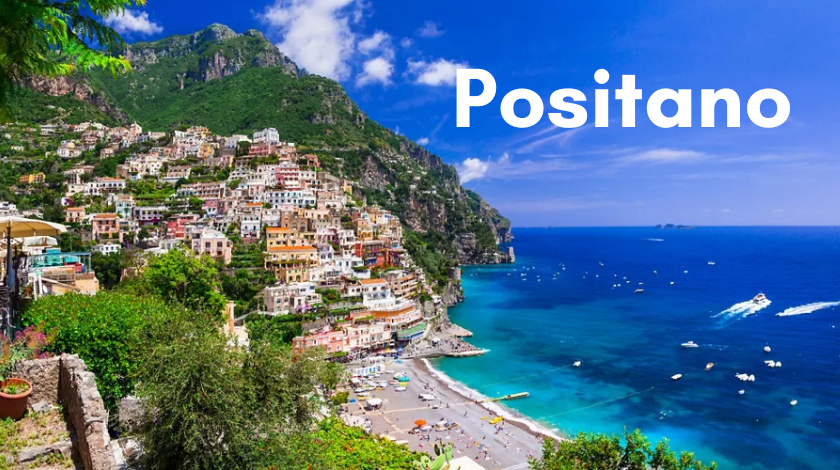
    Let’s be honest. You’ve seen the picture a thousand times. A cascade of sugar-cube houses in shades of peach, pink, and sun-bleached white, tumbling down a steep mountainside towards a sparkling blue sea. It’s the postcard for the Amalfi Coast, for Italian summer dreams. That’s Positano. But let me tell you, as someone who has visited in the dizzying height of August and the serene glow of October, the picture doesn’t prepare you for the feeling.

    Positano isn’t just a place you see; it’s a place you experience with all your senses. The scent of lemon groves and salt air. The sound of church bells mixing with clinking glasses. The feel of warm, pebbly sand under your feet and the burn in your calves from those famous stairs. This guide isn’t just a list of facts. It’s the guide I wish I had before my first visit—honest, practical, and focused on helping you not just visit, but truly connect with this unforgettable corner of the world.

    Why Does Positano Captivate Us So Much?

    Before we dive into logistics, let’s talk about the magic. Yes, it’s beautiful. But there’s more. There’s a vertical drama to Positano that feels almost theatrical. Life is layered, quite literally. A grandmother hangs her washing from a balcony high above, while below, a waiter expertly balances a tray of Aperol Spritzes. A luxury yacht glides past a simple fishing boat. This beautiful chaos, this vibrant daily life unfolding on a near-cliff face, is what gives Positano its soul. It’s not a museum; it’s a living, breathing village where beauty and practicality have a fascinating, stair-filled relationship.

    Choosing Your Moment: When to Visit Positano

    This is your most important decision. The experience varies wildly.

    • Peak Summer (June-August): This is when the postcard comes to life with vibrant energy. The weather is perfect for swimming, boats, and long evenings. But it comes at a cost: extreme crowds, peak prices, and often a feeling of being in a tourist stream. Booking everything months in advance is non-negotiable.

    • Shoulder Seasons (April-May & September-October): My personal gold standard. The weather in late spring and early autumn is still wonderfully warm and sunny, ideal for hiking and sitting outdoors. The crowds are thinner, the pace is gentler, and the sea in September is often at its warmest. You can breathe, wander, and find moments of quiet.

    • Low Season (November-March): A different, more local Positano emerges. Many hotels and restaurants close, but those that remain open offer a deeply authentic and peaceful experience. Don’t expect beach weather, but for writers, artists, or those seeking a quiet retreat with dramatic coastal views, it has a unique charm. Be prepared for some rain.

    The Journey There: How to Get to Positano Gracefully

    Getting to Positano is part of the adventure. The closest major airports are Naples (NAP) or Rome (FCO).

    1. The Stress-Free Classic: Private Transfer. After a long flight, being met by a driver who knows the winding roads is a blissful luxury. They’ll whisk you directly to your hotel. It’s the most expensive but easiest option.

    2. The Balanced Choice: Train + Ferry. This is my recommended mix of efficiency and beauty. Take a train from Naples or Rome to Salerno (not Sorrento, from my experience). From Salerno’s port, catch a ferry up the coast. Your first views of Positano will be from the sea—the way it’s meant to be seen—and you avoid the road traffic entirely.

    3. The Adventurous Route: Renting a Car. Only do this if you are a very confident driver. The Amalfi Coast road (SS163) is narrow, winding, and busy. The real challenge, however, is parking in Positano. It is scarce and incredibly expensive (think €25-€40 per day). If you do drive, book a hotel with guaranteed parking.

    Conquering the Vertical Village: Getting Around Positano

    Forget grid systems. Positano is built on a near-vertical slope connected by a web of staircases (scalinatelle) and one main road.

    • Your Feet: They are your primary transport. Comfortable, supportive shoes are not a suggestion; they are the most important item in your suitcase. Embrace the stairs as part of the charm—they lead to hidden corners and breathtaking views.

    • The Local Bus (SITA): The bright orange bus that runs between Positano, Amalfi, and Sorrento is your best friend for avoiding the main road on foot. It’s cheap and frequent, but during peak times, it gets very crowded.

    • Boats: The sea is your highway. Use the local ferry service to visit Amalfi, Capri, or even just Fornillo Beach. It’s scenic, avoids traffic, and is downright pleasant.

    The Heart of the Experience: Best Things to Do in Positano

    Beyond just posing for photos, here’s how to fill your days with meaning.

    • Embrace Dolce Far Niente on the Beach: Start at Spiaggia Grande, the main beach. Rent a chair and umbrella, order a limoncello, and watch the world go by. For a more relaxed vibe, take the scenic path to Fornillo Beach. It’s smaller, a bit less expensive, and feels more local.

    • See It From the Sea: You haven’t seen Positano until you’ve seen it from the water. Book a small group boat tour or splurge on a private rental for a few hours. You’ll explore hidden sea caves, swim in crystalline coves inaccessible by land, and get that iconic panoramic view. This is non-negotiable.

    • Hike the Path of the Gods (Sentiero degli Dei): For the active traveler, this is a spiritual experience. The name says it all. You hike high above the coast on ancient shepherd paths with heart-stopping views. You can start in Bomerano (easier) and hike down to Positano, ending with a well-deserved reward.

    • Wander Without a Map: Put your phone away. Get lost in the upper streets behind the church, Chiesa di Santa Maria Assunta. You’ll find quiet lanes draped in bougainvillea, tiny family-run shops selling handmade sandals (I still have my pair from ‘Positano Artigianale’), and views that aren’t on any Instagram grid.

    • Savor the Slowness of a Long Meal: Meals here are an event. Don’t rush. Find a cliffside restaurant like La Tagliata (where the view is as stunning as the family-style food) or a small trattoria tucked away. Order the local pasta—scialatielli ai frutti di mare (short, thick pasta with seafood) is a must. Sip local white wine from the slopes of Vesuvius. Talk. Linger. This is the Italian art you’re here for.

    A Place to Rest Your Head: Where to Stay

    Your choice of accommodation defines your trip.

    • Luxury with a View: Hotels like Le Sirenuse or Il San Pietro offer legendary service and those iconic balcony views. You’re paying for a once-in-a-lifetime experience.

    • Mid-Range Charm: Numerous smaller hotels and B&Bs are carved into the hillside. Look for keywords like “sea view” and “terrace.” Many offer a stunning vista at a more accessible price point.

    • Budget-Friendly Finds: Yes, they exist! Look for guesthouses (affittacamere) in the higher part of town (Nocelle or Montepertuso). You’ll have a commute down the stairs or bus, but you’ll save significantly and live like a local. Hostels are also available.

    The Practical Truth: Tips to Save Your Sanity

    1. Pack a Killer Day Bag: Once you leave your hotel, you likely won’t go back until evening. Sunscreen, water, swimsuit, cover-up, cash, and those good shoes should always be with you.

    2. Cash is King (in small places): While hotels and big restaurants take cards, many smaller shops, beach bars, and taxi boats are cash-only. Always have euros on hand.

    3. Dinner Reservations are Essential: You cannot just walk into a good restaurant at 8 PM in peak season and get a table. Plan ahead.

    4. Manage Your Expectations: It will be crowded in summer. There will be stairs. It is expensive. Accepting this upfront allows you to relax and enjoy the magic around these realities.

    5. Connect with People: Say buongiorno to the shopkeeper. Ask your boat captain about the best swimming spot. These small interactions transform a tourist experience into a human one.

    Conclusion: More Than a Destination

    Positano, in the end, is a lesson in perspective. It teaches you that the best views come after a climb. That a simple plate of pasta eaten slowly with a view can be a peak life experience. That beauty isn’t always convenient, but it’s always worth it. It’s busy, yes. It’s demanding, sometimes. But it etches itself onto your heart. Go with open eyes, prepared legs, and a willingness to step off the main drag. Let Positano reveal itself to you, layer by colorful layer, stair by ancient stair. You’ll leave with more than just photos; you’ll leave with a feeling you’ll spend the rest of your life trying to get back to.

    Frequently Asked Questions (FAQ)

    Q: How many days do I need in Positano?
    A: I recommend a minimum of 3 full days. This allows one day for relaxing and exploring the town, one day for a boat trip or hike, and one day for a day trip (e.g., to Capri or Amalfi) without feeling rushed.

    Q: Is Positano good for families with young children?
    A: It can be challenging due to the endless stairs and lack of stroller-friendly paths. If you go, choose accommodation close to the beach or main bus stop, and be prepared to carry little ones. Older children who can manage stairs will love the adventure and gelato stops!

    Q: Can I do Positano as a day trip?
    A: You can, but I don’t recommend it. You’ll spend most of your time in transit and experience only the crowded peak hours. The magic of Positano reveals itself in the early mornings and late evenings when the day-trippers have left.

    Q: What should I absolutely pack?
    A: Beyond your usual travel items: Rock-solid, comfortable walking shoes (no new sneakers!), swimsuit and cover-up, a light sweater for breezy evenings, a reusable water bottle, high-SPF sunscreen, and a portable phone charger.

    Q: Is it safe to swim in the sea in Positano?
    A: Generally, yes. The water is clean and clear. Always pay attention to flagged warning systems on the beach (e.g., red flag means no swimming due to rough conditions). The beaches are pebbly, so water shoes can be a nice comfort.