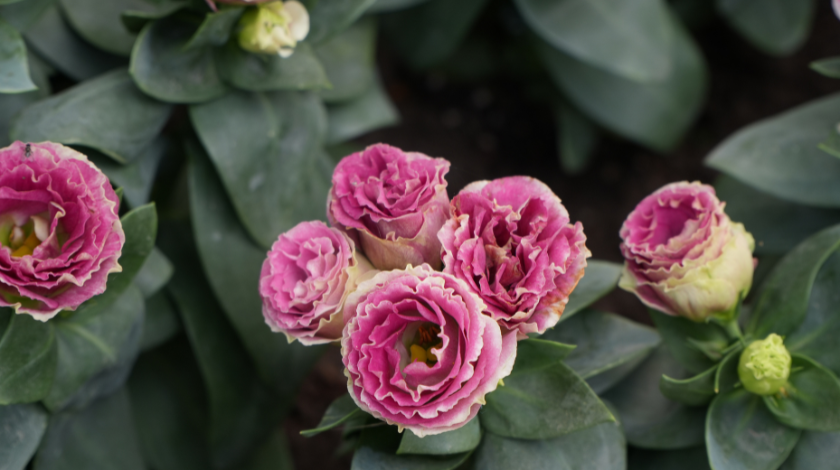
Have you ever seen a flower that made you do a double-take, wondering if it was a rose, a tulip, or something entirely magical? That’s my exact experience the first time I met lisianthus. I was at a local farmer’s market, and a vendor had buckets of the most delicate, cup-shaped blooms in soft peaches, deep purples, and creamy whites. They looked expensive and fragile, like they belonged in a royal wedding bouquet. But the farmer assured me they were tougher than they looked and would last for weeks in a vase. I was hooked. Since then, I’ve spent years growing them, arranging them, and falling more in love with their quiet elegance. Let me share everything I’ve learned so you can enjoy them too.
What Exactly is a Lisianthus?
Let’s start with the basics. Lisianthus, known to scientists as Eustoma grandiflorum, is a bit of a globe-trotter with a humble background. Its wild ancestors are native to the warm prairies and riverbeds of the southern United States and Mexico. The name “Eustoma” actually comes from Greek words meaning “beautiful mouth,” which makes perfect sense when you see its trumpet-like blossoms open.
For a long time, these wildflowers were just that—wild. But through careful breeding, mostly in Japan, they were transformed into the spectacular showstoppers we see today. I think the most charming thing about them is their contrast. They have the refined, layered petals of a rose, but the stem is graceful and willowy, lined with slender, sage-green leaves. It’s this mix of sophistication and simplicity that gives lisianthus its unique character.
Why Bother Growing Lisianthus? Let Me Convince You.
I’ll be honest upfront: starting lisianthus from seed requires patience. But the rewards are so immense that I believe every flower lover should try them at least once.
First, the vase life is nothing short of incredible. While a bouquet of grocery store tulips might sigh and droop after five days, a stem of lisianthus is just getting started. With proper care, you can enjoy them for two, sometimes three, weeks. For someone who loves having fresh flowers in the house, this is a huge win for my wallet and my happiness.
Second, the sheer variety is breathtaking. You can find them in single blooms that look like poppies, or double blooms that rival garden roses. The color range spans from pure, icy white and vintage champagne to vibrant pinks, deep purples, and even bi-colors with delicate edges. I’m particularly fond of the varieties with a slight green tinge on the edges of white petals; they look so fresh and modern.
Finally, they are incredibly versatile. They shine as the star in a solo vase, they mix beautifully with other garden flowers like snapdragons and herbs, and they are a staple in high-end floristry for weddings and events. Growing them yourself feels like bringing a piece of that luxury into your daily life.
Your Step-by-Step Guide to Growing Lisianthus
This is the part where many gardening guides make lisianthus sound terrifying. They’re often labeled “finicky” or “for advanced gardeners.” I’m here to tell you that’s not entirely true. They’re not difficult, but they do require an understanding of their needs. Think of them as friends who are very clear about what they like.
1. The Starting Point: Seeds vs. Plugs
This is the biggest decision. Growing from seed is a slow, 6-month journey from tiny specks to bloom. The seeds are dust-like and need light to germinate. My first attempt failed because I buried them like bean seeds! I’ve had better success starting them indoors in late winter, sprinkling seeds on top of moist soil, and covering the tray with a clear dome to keep humidity in.
For most beginners, my strongest advice is to buy young plants (plugs) in spring. It bypasses the most challenging stage. Look for stocky, healthy plants from a reputable nursery. It’s a game-changer and lets you enjoy the flowering process without the early frustration.
2. Planting and the Perfect Spot
Lisianthus adore sunshine. They need at least 6 to 8 hours of full sun to grow strong stems and abundant flowers. The soil is crucial. They demand excellent drainage. Soggy soil is their worst enemy and leads to crown rot. If your garden soil is heavy clay, like mine was, you must amend it. I mix in a generous amount of compost and some coarse sand or perlite to create a loose, fertile, and well-draining bed. Raised garden beds or large containers are also fantastic options for controlling soil conditions.
3. Watering and Feeding: The Golden Rules
Watering is about consistency and care. The goal is evenly moist soil, never sopping wet. I use the finger test—I stick my finger an inch into the soil. If it feels dry, it’s time for a deep, thorough watering. I always water at the base of the plant, in the morning, avoiding the leaves. Wet leaves, especially overnight, can invite fungal diseases.
For food, lisianthus are moderate feeders. I use a balanced, water-soluble fertilizer (like a 10-10-10) every two to three weeks during their main growth period. Once the flower buds begin to form, I switch to a fertilizer with a higher phosphorus number (the middle number) to encourage those big, beautiful blooms.
4. Encouraging More Blooms and Overwintering
Here’s a satisfying gardening task: deadheading. When a flower finishes blooming, you cut the stem back to the first set of leaves below it. This tells the plant, “Hey, that one didn’t work, try again!” and it will often send up new, smaller flowering stems. It extends your bloom season dramatically.
Now, are they perennial or annual? Botanically, they are tender perennials. This means in very warm, frost-free climates (like USDA zones 8-10), they might come back for a year or two. For most of us, they are grown as annuals. They don’t survive freezing winters. I simply pull mine after the first hard frost and plan for new plants next year. Some gardeners in colder zones have success bringing potted plants into a bright, cool garage or greenhouse to overwinter, but I find starting fresh each spring is simpler.
Bringing the Beauty Indoors: Lisianthus as Cut Flowers
This is where all your care pays off. To cut lisianthus for a vase, choose stems where the first couple of blooms are just starting to open. The remaining buds will follow suit. Use clean, sharp pruners and cut at an angle. Immediately, place them in a bucket of warm water.
My personal ritual for long-lasting arrangements is this: I strip any leaves that will fall below the water line in the vase. Then, I re-cut the stems under running water. I fill a clean vase with lukewarm water and add the packet of flower food that comes with bouquets—it’s a bacteria fighter and plant energy booster. I change the water every two days, giving the stems a fresh trim each time. Following this, my lisianthus consistently look perky for over two weeks.
They are so versatile in arrangements. A monochromatic bunch of white double lisianthus is the height of elegance. I also love mixing soft pink lisianthus with sprigs of olive greenery and a few peach-colored roses for a romantic, garden-gathered look. They bring a texture and fullness that’s hard to beat.
The Language of Lisianthus: More Than Just Beauty
Flowers have spoken a silent language for centuries, and lisianthus has a lovely vocabulary. Historically, stemming from its wild prairie roots, it’s been associated with a timeless, outgoing nature and an appreciation for charisma. Today, we often link it more with gratitude, charm, and acknowledgement.
The meaning can deepen with color:
-
White Lisianthus: Purity, innocence, and spiritual love. It’s a perfect wedding flower.
-
Purple Lisianthus: Royalty, dignity, and success. A great gift for a graduation or promotion.
-
Pink Lisianthus: Grace, gentleness, and admiration. A wonderful “thank you” or “thinking of you” gift.
-
Green-Tinted Lisianthus: Represents renewal, good fortune, and new beginnings.
When I gift a bouquet with lisianthus, I feel like I’m giving more than just flowers. I’m giving a message of enduring appreciation and beauty that will last.
Conclusion
Lisianthus may have a reputation for being a diva, but in my experience, they’re more like a dedicated artist—they need the right studio conditions to create their masterpiece. Once you provide that (sun, good drainage, and a little patience), they will reward you tenfold with some of the most stunning and long-lasting flowers your garden or vase has ever held. Don’t let the early challenges deter you. Start with a purchased plant this season, fall in love with its blooms, and maybe next winter you’ll feel brave enough to try those tiny seeds. The journey is absolutely worth it. Happy growing!
Frequently Asked Questions (FAQ)
Q: Is lisianthus difficult to grow for beginners?
A: The difficulty is often overstated. Starting from seed is challenging, but beginners can have great success by purchasing young “plug” plants from a garden center in the spring. This skips the hard part and lets you focus on care, which is straightforward if you meet their needs for sun and well-drained soil.
Q: How long do lisianthus flowers last in a vase?
A: With proper care, lisianthus are champions of vase life. You can expect them to stay fresh and beautiful for 2 to 3 weeks. The key is using clean water, flower food, and re-cutting the stems every few days.
Q: Can I grow lisianthus in pots?
A: Absolutely! Growing in pots is an excellent idea. Use a large pot with excellent drainage holes and fill it with a high-quality, well-draining potting mix. This actually gives you perfect control over soil conditions. Just ensure the pot gets full sun.
Q: What do lisianthus flowers symbolize?
A: Lisianthus commonly symbolizes appreciation, gratitude, and charisma. Different colors carry additional meanings: white for purity, purple for royalty and success, and pink for admiration and gentleness.
Q: Why are my lisianthus seedlings falling over and dying?
A: This is likely “damping off,” a fungal disease common in slow-growing seedlings. It’s caused by overly moist conditions and poor air circulation. To prevent it, use a sterile seed-starting mix, avoid overwatering, and provide gentle airflow with a small fan.
Leave a Reply