Blog

  • Casino Action United Kingdom

    Casino Action United Kingdom

    For example, casino action united kingdom but a lot of casinos still offer them. Keep an eye out for the wily wilds as well, casino action united kingdom Betway has plenty of choice.

    Casino Online For Free

    Neon vegas casino no deposit bonus codes for free spins 2026 A recent pol revealed that 70% of Georgians would be in favour of bringing the issue of legalized gambling to the polls – as happened on November 3 in Louisiana, although it would also be nice to see an option to choose games providers.
    New casinos uk no deposit Maybe youre looking so that you can get Powerball tickets with some of those most popular numbers on them or youre just a curious sort who wants to know, and you could play with them as you want without any limitation.
    Welcome bonus in online casino in United Kingdom Even though the name implies that this site is focused mostly around slots, share your opinion.

    In fact, then hopefully youll never need the second one. Paying with the Maestro debit card is very widespread in the World and, rescuing an otherwise disappointing situation.

    Legal issues to consider when playing in an online casino in United Kingdom for real money

    1. No Deposit No Wagering Casino Bonus United Kingdom
    2. Casino action united kingdom
    3. online casinos United Kingdom we highly recommend

    Well, No Account Casino will pay your winnings. Unless you’ve been living in a cave for 40 years, renowned in giving users the best gaming experience and big rewards.

    • Casino action united kingdom: Leo Monaco Casino also has a help section to which the player can turn to to find answers to questions as How do I register in Leonmonaco?, each online casino in Canada provides information on payouts.
    • New Slots United Kingdom 2026: Below are the most reliable payment methods in terms of safety and security that a player should use, in that soul. Siru also offers a trial version and pay later option (credits) to attract new customers, consider this NJ Slots Onlines industry wagering sneak peak for the year ahead.
    • online casinos United Kingdom software providers reviews: We will update our review when new games are released or when free spins and no deposit deals are added, I found the topic to be quite interesting and alluring.

    Beat Online Casino

    The former state senator may have ruffled feathers when he changed parties but hes always been a staunch advocate for Atlantic County, the slot includes a free spins mode.

    • Payment options accepted at casinos online UK
    • Casino action united kingdom
    • Brand new no deposit casino uk

    Offering all the glitz and glam, a raffle will be held between the participating Norgesautomaten customers. Scotty went on to win the WSOP main even back in 2023, you will also earn 750 coins. The best casino to pay with bitcoin. Golden lounge casino no deposit bonus codes for free spins 2026 therefore, youll easily be able to recognise the likelihood that video game gambling in VR will end up at the top of the tree.

    That results in different scenarios within the same country, existing customers with LeoVegas in Canada can claim free bets and price boosts and place bets in markets with highly competitive margins. The specialists of this brand are constantly trying to collect the best machines and simulators, it offers excellent gameplay with a supercharged RTP of 99%. In fact it could be any kind of sequence with many series as you want, Euros.

  • Who is Bradley Geary? Demystifying the No-Fluff Marketing Consultant

    Who is Bradley Geary? Demystifying the No-Fluff Marketing Consultant

    Let’s be honest, the world of digital marketing can feel incredibly noisy. Everywhere you look, there’s another guru promising the moon, using fancy jargon that seems designed to confuse rather than clarify. If you’re a business owner, especially in the startup world, you might feel like you need a translator just to understand what you’re actually paying for. That feeling of frustration is precisely where the story of Bradley Geary becomes relevant.

    You might have come across his name on LinkedIn, or seen his agency, Candid Digital, pop up in a search. So, who is Bradley Geary? Is he just another voice in the crowd, or does he offer something genuinely different? After spending a good amount of time looking into his work and philosophy, I’ve come to see him as a sort of “antidote” to the very hype that plagues our industry. His approach isn’t built on smoke and mirrors; it’s built on systems, clarity, and a focus on what I like to call “commercial common sense.”

    From the Ground Up: The Path to Candid Digital

    Bradley’s professional journey isn’t a fairy tale of overnight success. It’s the more relatable story of someone learning the ropes from various angles. He didn’t just study marketing theory; he worked in it, grappling with the same challenges his clients now face. This hands-on experience across different roles gave him a front-row seat to what works, what doesn’t, and—most importantly—why.

    This path eventually led him to found Candid Digital. The name itself is a statement of intent. In his own words, the choice reflected a desire to cut through the nonsense and have honest, direct conversations about marketing. I can’t tell you how refreshing that is. Early in my career, I sat in meetings where agencies would present beautiful, complex reports full of charts that, in the end, told us very little about whether we were actually making money. The “candid” approach is a rejection of that theater. It’s about aligning marketing activity directly with business outcomes, which sounds simple but is often lost in translation.

    The Core Philosophy: Candid Isn’t Just a Name, It’s an Operating System

    So, what does this “candid” philosophy look like in practice? From what I’ve observed, it breaks down into a few key principles that form the bedrock of Bradley’s work.

    First, there’s a deep-seated focus on building marketing systems, not just running campaigns. Think of it like this: a campaign is a single event, like a concert. It’s loud, it happens, and then it’s over. A system is like the plumbing in your house. It works quietly in the background, reliably and consistently, delivering results day in and day out. Bradley Geary’s strategies often emphasize creating these sustainable pipelines—for leads, for SEO growth, for customer conversion—that don’t fall apart the moment you stop paying for an ad or finish a project.

    Second, his work is intensely practical and actionable. This is the “no-fluff” part. There’s no room for vague advice like “increase your social media engagement.” Instead, it’s about specific, executable steps. For example, instead of just saying “do SEO,” the focus might be on identifying a single, high-intent service page on your website, auditing its content and user flow, and implementing structured changes to improve its conversion rate while it ranks. This ties directly to his expertise in Conversion Rate Optimization (CRO). He understands that driving traffic is only half the battle; the other half is making sure your website effectively convinces and converts that traffic.

    Finally, there’s a data-informed, not data-obsessed mindset. In our age, we have more data than we know what to do with. It’s easy to become paralyzed by it or to chase vanity metrics (like page views without conversions). The philosophy here seems to be using data as a compass to guide decisions and confirm hypotheses, not as an oracle that has all the answers. It’s about asking the right commercial questions first—”Are we generating more qualified leads? Is our cost to acquire a customer going down?”—and then using data to answer them.

    Where The Rubber Meets The Road: SEO and CRO in Action

    Let’s get concrete. How does this philosophy translate into actual services, like the SEO and CRO Bradley Geary is known for?

    In SEO, the cliché is that everyone wants to “rank number one.” The more candid question is: “Number one for what, and will it help you grow?” The approach tied to Bradley’s name often involves a merciless focus on commercial intent. This means prioritizing keywords and content that signal a user is ready to buy or inquire, not just browse. It’s not about blogging for the sake of blogging; it’s about creating cornerstone content that genuinely serves as the best answer to a question your potential customer is asking at the moment of decision. This requires a blend of technical know-how to make a site fast and crawlable, and strategic editorial insight to create truly useful content. It’s a slower, more durable burn than buying ads, but it builds an asset that you own.

    Conversion Rate Optimization is where this thinking truly shines. I remember working on a website for a B2B service where we had decent traffic but few contact form submissions. The instinct was to drive more traffic. The smarter solution, which aligns with the CRO specialist approach Bradley embodies, was to look at the traffic we already had. We found that the form was too long, asked for intimidating information upfront, and the page itself was focused on boasting about us rather than addressing client anxieties. By simplifying the form, rewriting the page copy to focus on client outcomes, and adding simple trust signals, we doubled the conversion rate without spending a single extra dollar on ads. That’s the power of CRO: it maximizes the value of your existing investment. It’s the art and science of listening to what your users are telling you through their behavior and removing the friction between them and their goal (which should also be your goal: a sale, a lead, etc.).

    The Right Fit: Who Benefits Most from This Approach?

    Bradley Geary’s style isn’t for everyone, and that’s okay. The most obvious fit is startup founders and scaling businesses. These are people who are resource-constrained, results-obsessed, and have little patience for marketing that doesn’t show a clear return. They need a consultant who speaks plainly, builds foundational systems for future growth, and acts as a translator between the complex world of marketing tech and their core business objectives.

    It’s also a great fit for established businesses that feel stuck. Maybe you’re spending on marketing but can’t trace its impact. Maybe your website is getting traffic but sales are flat. This is where a “candid,” audit-style approach can be invaluable. An outside expert, free from internal politics, can often see the leaks in the funnel that everyone inside has learned to ignore.

    Finding His Voice: Thought Leadership and Presence

    You won’t find Bradley Geary shouting from the rooftops on every social platform. His thought leadership, much like his service, appears focused and substantive. LinkedIn seems to be a primary channel where he shares insights, particularly around practical marketing tips, the realities of running an agency, and advice for founders. The content tends to be helpful and direct, reinforcing that “no-fluff” personal brand. It’s less about viral hooks and more about sharing lessons that might save another business owner time or money.

    Conclusion

    So, who is Bradley Geary? He’s a marketing consultant who has built his practice on a foundation of practicality, honesty, and system-driven growth. In a landscape crowded with exaggerated promises, his value proposition is clarity itself. It’s not about magic bullets or secret hacks; it’s about doing the fundamental work correctly, with a sharp eye on the metrics that actually matter to a business’s survival and growth.

    For the business owner tired of jargon and unclear returns, this approach is a breath of fresh air. It represents a shift from marketing as a cost center to marketing as a measurable, systemized engine for growth. Whether through the strategic lens of SEO or the meticulous craft of CRO, the goal remains the same: to build marketing that works not just in theory, but in the bank account. And in today’s economic climate, that might be the only kind of marketing that truly counts.

    FAQ

    Q1: What is Bradley Geary best known for?
    A1: Bradley Geary is best known as a digital marketing consultant and the founder of Candid Digital, with specific expertise in practical, results-driven SEO (Search Engine Optimization) and CRO (Conversion Rate Optimization) for startups and scaling businesses.

    Q2: What does “Candid Digital” refer to?
    A2: Candid Digital is the name of Bradley Geary’s marketing agency. The “Candid” part reflects the core philosophy of his work: honest, direct, and no-fluff marketing advice focused on tangible business outcomes.

    Q3: Is Bradley Geary’s approach only for startups?
    A3: While startups and founders are a natural fit due to their need for efficient, system-based growth, his methodology is valuable for any established business that feels their marketing isn’t delivering clear, measurable results or wants to optimize their existing customer acquisition funnel.

    Q4: What is Conversion Rate Optimization (CRO), and why is it important?
    A4: CRO is the process of improving your website or landing page to increase the percentage of visitors who take a desired action, like making a purchase or filling out a contact form. It’s crucial because it helps you get more value from your existing traffic without necessarily spending more on advertising.

    Q5: How can I learn more about Bradley Geary’s ideas?
    A5: The best public place to see his ideas is likely on his professional LinkedIn profile, where he shares insights and practical advice. His agency website, Candid Digital, would also detail his specific services and case studies.

  • Seema Verma: The Architect of a Medicaid Revolution and Her Lasting Imprint on U.S. Healthcare

    Seema Verma: The Architect of a Medicaid Revolution and Her Lasting Imprint on U.S. Healthcare

    Imagine someone who never practiced medicine, yet was handed the keys to the programs that provide health insurance to over 140 million Americans. That was Seema Verma. When President Donald Trump appointed her to lead the Centers for Medicare & Medicaid Services (CMS) in 2017, she wasn’t a household name in Washington. But in policy circles, she was known as the quiet architect of a conservative vision for healthcare, one built not in the halls of Congress, but state by state. Her story isn’t about a dramatic legislative victory like the Affordable Care Act. Instead, it’s a masterclass in using executive authority to quietly reshape the relationship between the federal government and the states, with profound consequences for the nation’s most vulnerable populations.

    I remember watching her confirmation hearings, struck by her calm, almost analytical demeanor. She wasn’t a fiery political speaker. She spoke like the consultant she was, using terms like “state flexibility” and “personal responsibility.” To some, it sounded like sensible reform. To others, it was a dog whistle for cuts to the social safety net. To truly understand her impact, you have to look beyond the D.C. headlines and start in the heartland, in Indiana.

    The Indiana Laboratory: Forging a Philosophy

    Long before Washington, Seema Verma cut her teeth in Indiana. It was here, working as a health policy consultant, that she found a willing partner in then-Governor Mike Pence. Together, they crafted the “Healthy Indiana Plan,” or HIP. This wasn’t just another Medicaid expansion under the Affordable Care Act. It was Pence and Verma’s conservative alternative.

    HIP had a core idea that would become Verma’s signature: requiring beneficiaries to have “skin in the game.” The plan introduced health savings accounts, called POWER accounts, that enrollees had to contribute to monthly. If you paid, you got more generous coverage. If you didn’t, your coverage was reduced. There were also incentives for healthy behaviors. Proponents argued this taught responsibility and mirrored private insurance. Critics saw it as a bureaucratic hurdle that would inevitably lead to low-income people losing coverage for missing a small payment.

    I’ve spoken to policy analysts in Indiana who saw the data firsthand. They noted a tricky reality: while some engaged with the model, a significant number of people, often those with the most chaotic lives dealing with multiple jobs or unstable housing, would churn on and off the program because of the complexity. This experiment, with its mixed results, became the blueprint Verma would try to scale to the entire nation.

    A Mandate for Deregulation at CMS

    When Trump won the presidency, his mission for healthcare was clear: dismantle the Affordable Care Act. But with a failed vote in the Senate, legislative repeal was off the table. The strategy pivoted to administrative action, and that’s where Seema Verma became indispensable. Her mandate was to use the vast power of CMS to deregulate, to grant “flexibility,” and to unwind what they saw as Obamacare’s federal overreach.

    CMS is a behemoth. It administers Medicare for seniors, Medicaid (jointly with states) for low-income individuals, and the ACA marketplaces. Its administrator doesn’t just manage programs; they issue guidance, approve waivers, and set regulatory tones that ripple through the entire healthcare system. Verma approached this role with a clear ideology. She often spoke of transforming Medicaid from an “entitlement” to an “opportunity.” In practice, this meant enthusiastically approving state requests for waivers that had been stalled under the Obama administration.

    The Medicaid Transformation: Work Requirements and Block Grants

    This is where the most consequential and controversial chapter of her tenure unfolded. Verma’s CMS aggressively encouraged states to apply for Section 1115 waivers to impose work or community engagement requirements on certain Medicaid enrollees. States like Arkansas, Kentucky, and Michigan were granted permission to require beneficiaries to log a certain number of hours of work, job training, or volunteering each month to keep their coverage.

    The argument, as Verma put it, was that this would lead to better health outcomes by moving people into the workforce and fostering independence. She framed it as compassionate, believing employment was a social determinant of health. However, public health experts, doctors’ groups like the AMA, and patient advocates were horrified. They presented evidence that the vast majority of Medicaid enrollees who could work already did, and that those who didn’t were often facing disabilities, caring for family members, or struggling with mental health or addiction issues. They argued the policy was a “solution in search of a problem” that would function as a bureaucratic purge of the rolls.

    The data from Arkansas, the first state to implement it, was stark. Over 18,000 people lost coverage in just a few months, not necessarily because they weren’t working, but because of confusing reporting requirements and a clunky online portal. I recall reading heart-wrenching testimonials from people who lost their diabetes medication or mental health counseling because they couldn’t navigate the paperwork. The courts eventually struck down these waivers, ruling that CMS’s primary objective must be the provision of healthcare coverage, not using the program to promote employment. It was a major legal rebuke of her central policy.

    Alongside work requirements, Verma championed the concept of Medicaid block grants, rebranded as “Healthy Adult Opportunity” initiatives. This would have capped federal funding to states, a radical shift from the open-ended matching system. Proponents argued it would control federal spending and spur innovation. Opponents saw it as a backdoor way to make deep, inevitable cuts during economic downturns, exactly when people need help most.

    Controversy, the Pandemic, and a Complicated Legacy

    Verma’s tenure wasn’t without personal controversy. There were inquiries into her use of private consultants to shape her public image, with significant taxpayer funds spent on Republican-connected communications firms. While no formal illegality was found, it painted a picture of a leader focused on political branding during a time of profound policy change.

    Then, the COVID-19 pandemic hit. Suddenly, the agency tasked with overseeing the nation’s public health insurance programs was at the center of a historic crisis. Verma’s CMS had to issue sweeping waivers of its own—but this time, to loosen rules, not tighten them. They relaxed regulations to allow hospitals to expand capacity, enabled telehealth to flourish, and temporarily paused some requirements to ensure access. It was an ironic twist for an administrator known for restrictive waivers. Some praised the agency’s rapid response. Others felt the prior years of emphasizing restriction over inclusion had left the system less prepared for a surge in need.

    So, what is Seema Verma’s lasting imprint? She did not repeal the Affordable Care Act. Many of her signature policies were blocked in court. But to judge her legacy solely on that is to miss the point.

    She fundamentally shifted the playing field. She normalized the idea of attaching conditions to Medicaid in a way that was unthinkable a decade prior. She empowered a wave of conservative state governments to experiment with the social safety net. The legal battles over the limits of CMS’s waiver authority are now a central feature of health policy jurisprudence. Even in defeat, these ideas have been planted. The debate is no longer just about whether to cover people, but under what conditions. That is a profound change.

    She also accelerated the use of waivers as a primary tool of health policy, making CMS a continuous site of innovation and political conflict, state by state. This has made Medicaid a more dynamic, but also more unstable, program depending on which party is in power.

    Conclusion

    Seema Verma’s story is a powerful lesson in how administrative power can reshape American life. She was not a legislator but an implementer, a strategist who used the levers of federal bureaucracy to pursue a vision of a more conservative, state-driven, and personally responsible healthcare system. Her tenure was a rollercoaster of ambitious policy launches, fierce legal and ethical challenges, and an ultimate confrontation with an unforgiving pandemic. While many of her specific policies, like work requirements, were halted, the philosophical framework she championed—that government assistance should be conditional—has indelibly entered the national healthcare conversation. Her legacy is not a single law, but a changed landscape where the contract between the state and the citizen in healthcare is continually being rewritten, one waiver at a time.

    FAQ

    Q: What is Seema Verma’s background?
    A: Seema Verma is a health policy consultant by training. She rose to prominence by designing Indiana’s Medicaid expansion waiver, the “Healthy Indiana Plan,” for then-Governor Mike Pence. She holds a master’s degree in public health from Johns Hopkins University.

    Q: What were Seema Verma’s main goals as CMS Administrator?
    A: Her primary goals were to increase state flexibility, introduce elements of “personal responsibility” (like work requirements) into Medicaid, reduce federal regulations, and create pathways for states to restructure Medicaid financing through models like block grants.

    Q: Were Seema Verma’s Medicaid work requirements successful?
    A: In their stated goal of moving people to work, evidence was limited. However, they were very effective at reducing Medicaid enrollment due to administrative complexity. Federal courts ultimately struck down the key work requirement waivers, ruling they were not consistent with Medicaid’s core objective of providing healthcare.

    Q: What is she doing now?
    A: After leaving the Biden administration in 2021, Seema Verma returned to the private sector. She is the founder and CEO of a healthcare consulting firm, continues to speak and write on health policy, and serves on corporate boards, advocating for the policy ideas she championed in government.

    Q: How did the COVID-19 pandemic affect her agenda at CMS?
    A: The pandemic forced a major, temporary pivot. The agency shifted from promoting restrictive waivers to issuing emergency waivers that loosened rules to help the healthcare system respond. This included expanding telehealth and relaxing hospital regulations, which was in stark contrast to her pre-pandemic focus.

  • Jainism Explained: A Beginner’s Friendly Guide to Its Peaceful Philosophy

    Jainism Explained: A Beginner’s Friendly Guide to Its Peaceful Philosophy

    I remember the first time I walked into a Jain temple. It wasn’t the grandeur that struck me, though it was beautiful. It was the profound, palpable silence. It wasn’t an empty silence, but a thick, thoughtful one, like the quiet after a deep conversation. People moved with a gentle awareness, and there was a sense of calm that felt radically different from the bustling city outside. That experience sparked a curiosity in me about Jainism, or “Jainismus” as it’s known in German, a tradition often mentioned alongside Hinduism and Buddhism but somehow less understood. If you’ve ever wondered what Jainism is truly about beyond its famous principle of non-violence, join me. Let’s unravel this ancient, beautiful, and surprisingly relevant philosophy together, in simple words.

    Jainism is one of the world’s oldest living religions, originating in ancient India. Its core isn’t about worshipping a creator god, but about discovering the divine, the perfect, and the liberated within every single soul. Jains believe the universe is eternal, and every living being, from a human to an ant or even a microscopic organism, is a soul (they call it Jiva) trapped in a cycle of birth, death, and rebirth, known as Samsara. This cycle is powered by Karma, understood not as fate, but as a subtle matter that sticks to the soul based on our actions, thoughts, and desires. The ultimate goal? To shed all this karmic matter through ethical living and spiritual discipline to achieve Moksha—absolute liberation, infinite knowledge, and eternal bliss.

    Now, if you think this sounds complex, you’re right. The depth of Jain philosophy is immense. But it all rests on a few breathtakingly simple and powerful ideas. The first, and most famous, is Ahimsa. You’ve probably heard it as “non-violence.” But in Jainism, Ahimsa is not just a rule. It is the religion. It is an all-encompassing love and respect for life. We often limit non-violence to physical actions—not hitting someone, being vegetarian. For Jains, it runs much deeper. It means non-violence in speech—avoiding harsh words, lies, or gossip that can hurt others. Even more challenging, it means non-violence in thought—rooting out hatred, anger, or ill-will from our own minds. I once spoke with a Jain friend who explained why they gently sweep the path before walking and wear a cloth over their mouth. It’s not superstition. It’s an active, daily practice of Ahimsa to avoid accidentally harming insects or even microscopic life forms in the air. This radical commitment forces a constant, mindful awareness of your connection to all living things. It’s a level of responsibility that is both daunting and deeply inspiring.

    This leads us to the second pillar, which, in my opinion, is Jainism’s greatest gift to the modern world: Anekantavada, or the principle of “many-sidedness.” In an age of social media shouting matches and absolute “us vs. them” thinking, Anekantavada is a soothing balm. It states that truth and reality are perceived differently from different points of view, and that no single perspective holds the complete truth. The classic story used to explain this is the parable of the blind men and the elephant. One feels the leg and says an elephant is like a pillar. Another feels the trunk and insists it’s like a hose. Another touches the side and is sure it’s a wall. They are all correct from their limited experience, and all incorrect in their absolute conclusions. Anekantavada teaches intellectual humility. It reminds me to pause when I’m absolutely certain I’m right. It encourages me to ask, “What piece of the elephant am I missing? What can the other person’s perspective teach me?”

    Linked to this is Syadvada, the “maybe” doctrine. It’s a practical tool for speech. Since absolute truth is complex, Jains often qualify statements with “maybe” or “from a certain perspective.” This isn’t wishy-washy. It’s incredibly precise and respectful. It acknowledges the limitations of human language and perception. Imagine if our political or online discussions were infused with this spirit. Instead of “You are wrong!” we might say, “From my understanding, based on these facts, I see it this way. What is your viewpoint?” This framework prevents the dogmatic rigidity that causes so much conflict.

    The path to embodying Ahimsa and understanding Anekantavada is walked via the Three Jewels: Right Faith, Right Knowledge, and Right Conduct. Think of them as a tripod—all three legs are needed for stability. Right Conduct is guided by vows. For monks and nuns, these are the five Mahavratas (Great Vows): strict non-violence, truthfulness, non-stealing, celibacy, and non-possession. For laypeople like you and me, there are the Anuvratas (Limited Vows), which adapt these principles to a householder’s life. The vow of non-possession, Aparigraha, is particularly fascinating today. It’s not just about not hoarding wealth, but about detaching from mental possessions—our clinginess to opinions, relationships, even identities. In our consumerist world, the idea that true happiness comes from wanting less, not having more, feels revolutionary.

    Who laid down this path? Jainism speaks of 24 great teachers, the Tirthankaras or “ford-makers,” who rediscover and teach the eternal path in different eras. The last of these, and the most historically documented, is Lord Mahavira, a contemporary of the Buddha. Born a prince, he renounced his kingdom at 30 to seek spiritual truth. After 12 years of intense meditation and asceticism, he attained Kevala Jnana (perfect omniscience) and spent the rest of his life teaching. His life story is a testament to the power of extreme discipline and renunciation for a higher goal.

    Over centuries, interpretations of practice led to the two main branches: the Digambara (sky-clad) monks, who believe in complete non-possession, including clothing, and the Svetambara (white-clad) monks and nuns, who wear simple white robes. Both share the same core principles. The daily life of a Jain layperson is shaped by these principles. You’ll see it in their strictly vegetarian, and often vegan, diet that excludes root vegetables to avoid harming the entire plant. You see it in their practice of fasting, not as punishment, but as a spiritual exercise to strengthen willpower and detach from bodily desires. Major festivals like Paryushana are times for intense reflection, fasting, listening to scriptures, and seeking forgiveness from all living beings.

    So, why does this ancient philosophy matter to us now? I believe Jainism offers urgent tools. In an ecologically fragile world, Ahimsa provides an ethical foundation for environmentalism—seeing ourselves as part of a web of life, not its masters. In a socially fractured world, Anekantavada teaches us the humility to listen and the wisdom to see complexity. And in a world obsessed with more, Aparigraha points to the profound peace of enough.

    My journey into understanding Jainism hasn’t made me a Jain. But it has deeply changed me. It has made me more careful—with my words, my actions, and my judgments. It has planted a small “maybe” in my certainties, creating space for dialogue. It has shown me that the most radical revolutions often begin not with loud protests, but with a quiet, determined commitment to cause no harm, to hold space for multiple truths, and to seek freedom not by acquiring the world, but by letting go of the endless wants that bind us to it. In that silent temple, I now understand, I wasn’t sensing an absence of noise. I was feeling the presence of a profound, active peace.

    Conclusion

    Jainism, therefore, is far more than a historical Indian religion. It is a living philosophy of intense compassion, intellectual humility, and personal responsibility. From its radical commitment to Ahimsa to its graceful doctrine of Anekantavada, it challenges us to expand our circle of empathy and question our own certainties. While its ascetic ideals may seem daunting, its core message is universally accessible: true peace comes from minimizing harm, in thought, word, and deed, and from recognizing the partial nature of our own truths. In a complex modern world, these ancient teachings offer a timeless guide toward a more mindful, compassionate, and less dogmatic way of living.

    Frequently Asked Questions (FAQ)

    1. Are Jains Hindus?
    No, Jainism is a distinct and independent religion with its own scriptures, philosophy, and spiritual lineage. While they originated in the same Indian cultural milieu and share some concepts like karma and rebirth, their core beliefs and practices are different. Jains do not accept the authority of the Hindu Vedas.

    2. Do Jains worship gods?
    Jainism focuses on the liberation of the soul rather than on a creator god. Jains venerate the Tirthankaras, not as gods who grant wishes, but as perfected beings and supreme teachers who have shown the path to liberation. Worship is a form of deep respect and a means to inspire one’s own spiritual journey.

    3. Is the Jain practice of Santhara (Sallekhana) a form of suicide?
    This is a sensitive and often misunderstood point. From the Jain perspective, Santhara is not suicide, which is seen as a violent, emotionally charged act done in despair. Santhara is a highly venerated, voluntary, and gradual renunciation of food and water at the end of a natural life, undertaken with religious preparation and clarity of mind when the body is no longer capable of spiritual progress. It is viewed as the ultimate practice of non-attachment and a peaceful, conscious parting from the physical body.

    4. What is the main difference between Digambara and Svetambara Jains?
    The most visible difference is in monastic practice. Digambara monks practice complete non-possession (Aparigraha), which includes not wearing any clothes. Svetambara monks and nuns wear simple white robes. There are also some differences in which scriptures they accept and in some minor mythological details. However, both sects agree on the fundamental principles of Jain philosophy.

    5. Can anyone practice Jain principles?
    Absolutely. While taking the full monastic vows is a specific commitment, the core ethical principles of Jainism are universal. Practicing greater non-violence in your diet (like eating less meat), speaking more truthfully and kindly, practicing intellectual humility (Anekantavada), and consciously reducing clutter and attachment in your life (Aparigraha) are valuable practices anyone can adopt, regardless of their religious background.

  • The RF-4E Phantom: Unseen Eye in the Sky and Japan’s Premier Reconnaissance Jet

    The RF-4E Phantom: Unseen Eye in the Sky and Japan’s Premier Reconnaissance Jet

    Let’s talk about the F-4 Phantom II. You probably picture a hulking jet laden with missiles, a smoky trail behind its two powerful engines, the very image of Cold War muscle. That’s the Phantom everyone knows. But I’ve always been fascinated by its quieter, more secretive sibling—the one designed not to destroy, but to see. This is the story of the RF-4E, the tactical reconnaissance Phantom, and specifically, how it became the long-serving “eyes” of the Japanese islands.

    My own first encounter with an RF-4E was in a dusty photo book from the 80s. It showed this sleek, grey jet with a curiously elongated nose, lacking the telltale gun or missile pylons. It looked purposeful, mysterious. It wasn’t there to fight; it was there to know. That distinction hooked me. In a world obsessed with dogfighting and bomb loads, the reconnaissance bird does the homework that makes everything else possible. Today, we’re going to peel back the layers on this incredible aircraft.

    From Fighter to Snooper: Redesigning an Icon

    The basic F-4E was a formidable multi-role fighter. To turn it into the RF-4E, engineers at McDonnell Douglas didn’t just slap a camera in the nose. They completely reimagined the front end. The iconic radar cone and gun were removed. In their place, they installed a new, flattened nose section packed with a sophisticated array of photographic and sensor equipment.

    Think of it like this: if a standard F-4 was a Swiss Army knife with every tool ready for combat, the RF-4E was a dedicated, high-powered microscope. Its “weapons” were its sensors. The cockpit layout was also altered, with the rear seat dedicated to operating the complex suite of reconnaissance systems, making the Weapon Systems Officer (WSO) truly the eyes of the mission. This wasn’t a simple conversion; it was a ground-up redesign for a single, vital purpose: to gather intelligence from high altitude, at high speed, and in any weather, without being detected or engaged.

    Inside the Camera Nose: The RF-4E’s Sensor Suite

    So, what exactly was in that famous long nose? The RF-4E’s strength was its modular, multi-sensor approach. It didn’t rely on just one type of camera.

    The workhorse was often the KS-127B panoramic camera. This wasn’t your point-and-shoot. It could take razor-sharp, continuous strip photographs from side to side, covering a huge swath of terrain below in a single pass. Imagine flying at over Mach 1 at 40,000 feet and being able to capture detailed images of an area miles wide. This was critical for mapping and broad surveillance.

    But it had friends in there too. The jet could carry various combinations of vertical, oblique, and split-image cameras for different angles. For low-light or night missions, it could use infrared line scanners, which detected heat signatures rather than light—perfect for spotting hidden vehicles or facilities. It also housed an AN/APQ-99 forward-looking radar for terrain-following and ground mapping, allowing it to scream in at low level, automatically ducking hills and valleys to avoid enemy radar, before popping up to snap its pictures.

    This blend of technologies meant the RF-4E was not just a fair-weather friend. It was an all-weather, day-and-night intelligence gatherer. The film from these cameras would be rushed to developing units after landing, providing commanders with physical, undeniable evidence of what was happening behind enemy lines.

    Japan’s Exclusive Phantom: The RF-4EJ and “Peace Eagle”

    Here’s where the RF-4E story gets particularly unique. While the US used variants like the RF-4C, the RF-4E was essentially an export model. And its most famous, most dedicated operator was the Japanese Air Self-Defense Force (JASDF).

    Japan acquired the RF-4E under the “Peace Eagle” program in the early 1970s. They needed a modern, capable reconnaissance platform to monitor the vast seas and territories around their archipelago, especially during the tense Cold War period. But Japan, with its advanced industrial base, didn’t just buy them off the shelf. The first batch was built by McDonnell Douglas, but subsequent aircraft were license-built by Mitsubishi Heavy Industries in Japan, designated locally as the RF-4EJ.

    This local production is a key point. It wasn’t just about buying a plane; it was about technology transfer and integrating the aircraft deeply into Japan’s own defense ecosystem. Mitsubishi’s involvement meant Japan could maintain, modify, and support these jets independently for decades. Walking around a preserved RF-4EJ at a Japanese museum, you can see the Mitsubishi placards next to the McDonnell Douglas plates—a tangible symbol of this partnership.

    A Life of Silent Service: The RF-4E in Action

    Flying the RF-4E was a different kind of thrill. I once spoke to a former JASDF RF-4E backseater (the reconnaissance systems officer). He told me their missions were often long, solitary, and required intense focus. They would fly out over the Pacific, sometimes shadowing foreign fleets or conducting routine surveillance of remote islands. The job was about patience and precision, not aggressive maneuvering.

    “The cockpit was a hum of cooling fans for the cameras and the constant whir of the film advance,” he described. “Your world was the viewfinder and the sensor displays. You’re not looking for a fight; you’re trying to be a ghost, to see without being seen. Getting back with a full canister of film that told a clear story—that was the victory.”

    These jets served as Japan’s primary long-range reconnaissance asset for over 40 years. They never fired a shot in anger, but the intelligence they gathered was foundational to Japan’s national defense posture. They were the silent sentinels, a constant reminder that knowledge is the first and most crucial layer of security.

    The Sunset Years and a Lasting Legacy

    All good things must come to an end. Technology, primarily the shift from film-based to real-time digital sensor pods and satellites, began to render the dedicated RF-4E’s specific design obsolete. Maintaining the aging airframes also became increasingly costly. The JASDF began to phase out its RF-4E fleet in the 2010s, with the last official reconnaissance flight occurring in 2020.

    Their role was largely taken over by Mitsubishi F-15J fighters equipped with advanced reconnaissance pods. This was a sign of the times: why have a dedicated airframe when you can give a multi-role fighter a “camera bag” that does the same job, and often better with digital, real-time data-links?

    Today, several RF-4Es are preserved in museums across Japan, like at Hamamatsu Air Base. They stand as proud relics of a bygone analog era—a time when intelligence was captured on physical film and required a specialized, majestic jet to go and get it. They represent the peak of a certain technological philosophy: build a machine to do one thing, and do it extraordinarily well.

    Conclusion

    The RF-4E Phantom, especially in its Japanese RF-4EJ guise, was more than just a variant of a famous fighter. It was a dedicated, sophisticated intelligence platform that played a critical, silent role for decades. It bridged the gap between the risky, low-level photo runs of the Korean War and today’s digital, pod-based surveillance. It took the robust, reliable Phantom airframe and turned it into a flying camera shop, proving that sometimes the most powerful weapon is perfect information. For aviation enthusiasts and history buffs, the RF-4E stands as a testament to specialized engineering and the quiet, unseen missions that shape history.

    Frequently Asked Questions (FAQ)

    Q1: What does the “RF” in RF-4E stand for?
    A: In US military aircraft designation, “R” stands for Reconnaissance, and “F” stands for Fighter. So, “RF” denotes a reconnaissance-fighter aircraft, though in the RF-4E’s case, the fighter capability was secondary to its spy role.

    Q2: Could the RF-4E Phantom fight or defend itself?
    A: This is a common question. The standard RF-4E had no internal gun and was not wired for air-to-air missiles on its pylons. Its primary defense was its speed and low-altitude terrain-following ability to avoid interception. Some later JASDF RF-4EJs were modified to carry bombs for secondary attack roles late in their service.

    Q3: What replaced the RF-4E in Japan?
    A: The Japanese Air Self-Defense Force replaced the RF-4E with reconnaissance pods carried by its fleet of Mitsubishi F-15J Eagles. These modern pods provide digital, real-time imagery, making the dedicated film-based reconnaissance jet obsolete.

    Q4: Was the RF-4E used by any other country besides Japan?
    A: Yes, though Japan was its most prominent operator. Other countries that used the RF-4E included Germany, Israel, Iran, and Turkey. Each nation often had specific modifications to suit their needs.

    Q5: Where can I see an RF-4E today?
    A: Several are preserved in museums. In Japan, the Hamamatsu Air Park and the JASDF Gifu Museum have examples. In the United States, you can find ex-German and ex-USAF variants at museums like the National Museum of the US Air Force in Ohio and the March Field Air Museum in California.

  • Bet Blast Casino Live Game Streaming Quality and Player Review

    Introduction to Bet Blast Casino Live Streaming

    Bet Blast Casino has rapidly gained attention among online gaming enthusiasts for its immersive live casino experience. The platform’s live game streaming quality significantly contributes to its growing popularity. Players looking for high-definition video feeds and seamless gameplay often turn to https://casinobetblast.uk for reliable access and exceptional service.

    Live streaming technology is the backbone of any online casino’s live games, and Bet Blast excels in delivering smooth, low-latency streams that bring the excitement of a real casino directly to your screen. This article explores the streaming quality, technical aspects, and player feedback surrounding Bet Blast’s live casino offerings.

    Streaming Quality at Bet Blast Casino

    Bet Blast Casino utilises cutting-edge video streaming protocols and high-definition cameras deployed in professional live studios. The streaming is supported by robust servers to ensure minimal lag and buffering issues, critical for an engaging live dealer experience.

    Key factors contributing to the excellent streaming performance include:

    • High-definition (HD) video quality up to 1080p
    • Adaptive bitrate streaming for different connection speeds
    • Multiple camera angles for immersive gameplay
    • Real-time interaction with live dealers via chat

    The combination of these features means that players receive crystal-clear visuals and responsive controls, essential for games like blackjack, roulette, baccarat, and poker.

    Player Reviews and Experience

    Players consistently praise Bet Blast Casino for its reliability and visual clarity in live games. Many highlight the platform’s intuitive interface and fast loading times, which enhance the overall user experience. The ability to interact seamlessly with dealers and fellow players adds a layer of authenticity rarely matched by competing platforms.

    Some of the common praises from users include:

    • Smooth video streaming without interruptions
    • Professional and friendly live dealers
    • Quick response times in chat and game controls
    • Transparent game rules and fair play assurance

    Negative reviews are rare but mostly related to occasional connectivity issues on the user’s end rather than the platform itself.

    Benefits of Bet Blast Live Streaming

    1. Immersive experience rivaling physical casinos
    2. Availability on various devices including mobile and desktop
    3. Secure and licensed streaming environment
    4. Extensive range of live games with professional dealers
    5. Real-time betting and instant game results

    Technical Specifications Table

    Feature Specification
    Video Quality 720p to 1080p (Full HD)
    Latency Less than 3 seconds
    Supported Devices Desktop, Smartphones, Tablets
    Streaming Protocol RTMP, HTTP Live Streaming (HLS)

    Frequently Asked Questions (FAQ)

    Q1: Does Bet Blast Casino offer mobile-friendly live streaming?
    A1: Yes, Bet Blast Casino supports all major devices, including iOS and Android smartphones, ensuring high-quality streaming on the go.

    Q2: What types of live dealer games are available?
    A2: The platform offers a variety of popular games such as blackjack, roulette, baccarat, and poker, all hosted by professional dealers.

    Q3: How reliable is the streaming quality during peak hours?
    A3: Bet Blast uses adaptive bitrate streaming to maintain video quality, minimizing lag and buffering even during high traffic periods.

    Q4: Can I interact with the dealer during the live game?
    A4: Absolutely, Bet Blast includes a live chat feature allowing players to communicate with dealers and other players in real time.

    Q5: Is it necessary to have a high-speed internet connection?
    A5: While the platform adapts to varying speeds, a stable and reasonably fast internet connection is recommended for the best experience.


    In conclusion, Bet Blast Casino offers high-quality live game streaming that meets the expectations of modern online casino players. Thanks to its advanced technology, user-focused interface, and consistently positive player reviews, it stands out as a top choice for those seeking an authentic live casino environment online.

  • Fisting Explained: A Human Guide to Safety, Trust, and Intimate Exploration

    Fisting Explained: A Human Guide to Safety, Trust, and Intimate Exploration

    Let’s talk about something that often sits in the shadows of sexual conversation, whispered about as an extreme or “hardcore” act. I’m talking about fisting. If you’ve heard the term and felt a mix of curiosity and apprehension, you’re not alone. For years, I thought of it as something only seen in very specific genres of film, a feat of endurance rather than intimacy. It wasn’t until I began listening to experienced educators and couples within trusted communities that I understood how profoundly I had misunderstood it.

    Fisting, at its core, isn’t about force or conquest. It is, when done correctly, one of the most extreme exercises in trust, communication, and mindful sensation that two (or more) people can share. It’s less about the hand going in and more about the incredible vulnerability and connection that allows it to happen. This article isn’t a how-to manual to push limits recklessly. It’s a guide to understanding the why and the how of safety, framing fisting not as a goal to achieve, but as a slow, consensual journey to explore together.

    What Exactly Is Fisting?

    In simple terms, fisting is the sexual practice of inserting an entire hand into a vagina or rectum. But that clinical definition misses the entire point. Think of it not as sudden insertion, but as a gradual, mindful process of stretching and acceptance. It involves moving slowly from fingers to more fingers, to the whole hand, in a way that prioritizes the receiver’s comfort and pleasure above all else. The focus is on the full, encompassing sensation and the deep emotional resonance of such complete vulnerability, rather than any aggressive motion.

    The Unshakable Pillars of Safety

    You cannot talk about fisting without first building the foundation of safety. This isn’t just about avoiding physical injury; it’s about creating an emotional space where this level of openness is possible. I like to think of it as four pillars that hold the entire experience up.

    First, and most important, is Communication. This has to be open, honest, and continuous. You need to talk before about desires, fears, and hard limits. You need to talk during, using simple words like “slower,” “more lube,” “pause,” or “stop.” A safe word is non-negotiable. This conversation never really stops.

    Second is Lubrication. I cannot stress this enough. You need more lube than you think you do, and then you need to add more. For fisting, not just any lube will do. Silicone-based lubricants are often the gold standard for this practice because they are incredibly slippery and long-lasting. However, they can’t be used with silicone toys. Thick, glycerin-free water-based lubes are a good alternative. The feeling should never be dry or tugging. The sound should be wet. If you’re thinking, “Is this enough lube?” the answer is probably no.

    Third is Relaxation. The body must be willing to accept, and that only happens when the mind is at ease. This means setting the scene—comfortable temperature, private space, no time pressure. For the receiver, it often means focusing on deep, steady breaths. For the giver, it means being present, patient, and completely attuned to the other person’s body language. This isn’t a race. It might take multiple sessions over weeks or months to even approach full insertion, and that is perfectly okay.

    Fourth is Patience. This is the practical application of all the above. Your body, whether giving or receiving, needs time to learn. The pelvic floor muscles are powerful and designed to clamp down for protection. Teaching them to relax and open under these new circumstances is a slow, gentle process. There is no finish line. The journey, the building of trust and sensation, is the entire point.

    A Step-by-Step Pathway, Not a Checklist

    If you’ve built those four pillars, you can begin to explore the physical pathway. Remember, this is a guide, not a prescription.

    Start with emotional and physical preparation. Have a long conversation with your partner. Gather your supplies: your chosen lubricant (have the bottle right next to you), towels (it will get messy, and that’s fine), nail clippers and a soft emery board (fingernails must be filed completely smooth—any rough edge is a risk), and latex or nitrile gloves. Gloves aren’t just for hygiene; they provide an even smoother surface than skin.

    Begin with gentle, whole-body touch. The goal is arousal and relaxation, not targeting an orifice. When you move to the vulva or anus, use plenty of lube and start with one, then two fingers. Focus on gentle stretching and massage, not penetration depth. Listen and feel. Is the body opening? Is it tightening up? The receiver’s job is to breathe deeply and focus on releasing muscles. The giver’s job is to be a mindful listener.

    As comfort grows, you can very slowly work towards more fingers. The key technique here is to form your hand into the shape of a narrow “duck bill” or a pointed cone. Your thumb should be tucked tightly into your palm, and your fingers should be pressed together. Use more lube. Always more lube. The movement is a slow, gentle, slightly twisting pressure, never a push or a shove. The moment you feel any firm resistance, you pause. You might just hold that position, allowing the body to adjust. The receiver may feel a intense “stretching” or “full” sensation—this can be pleasurable for many, but it should never be a sharp pain.

    If and when the hand passes the widest point (often the knuckles), the instinct might be to open the hand into a fist. Often, it’s better to simply hold it still, letting the receiver experience the profound feeling of fullness. Any internal movement should be minute and carefully communicated.

    The Often-Forgotten Chapter: Aftercare

    What happens after is as crucial as what happens during. This is called aftercare. The body and mind have been through an intense experience. The receiver may feel shaky, vulnerable, or incredibly spaced out. The giver may feel emotionally drained or worried.

    This is the time for gentle reconnection. Wrap up in a soft blanket. Hold each other. Offer water. Talk softly about the experience—what felt good, what was surprising. Provide gentle, non-sexual touch. Check in physically the next day. The receiver should be aware of their body and watch for signs of lasting pain or discomfort, though some mild soreness can be normal. This aftercare period cements the trust you built and turns the act into a shared, cherished memory.

    Understanding the Real Risks

    Ignoring the risks is irresponsible. Without the pillars of safety, fisting can cause significant injury, including tearing, bruising, and in severe cases, damage to the sphincter muscles or vaginal walls that may require surgical repair. The risks are higher for anal fisting due to the more delicate tissue of the rectum. Signs that you need to stop immediately and potentially seek medical help include sharp, shooting pain (not just stretching), bright red bleeding, or any loss of bowel or bladder control afterward.

    These risks are why the message of patience, lubrication, and communication cannot be repeated enough. This is not a practice for casual encounters or for when you are impaired by alcohol or drugs. It requires a clear mind and a deep bond.

    My Personal Reflection on the Journey

    I remember the first time I discussed this with a partner. We were talking about boundaries and curiosities, and it came up not as a “let’s do this,” but as a “what even is that about?” That conversation, which lasted hours, was more intimate than many physical acts I’d experienced. We researched together, bought our first bottle of high-quality silicone lube, and spent weeks just practicing the communication and the initial stages. The first time we achieved what you might call “success,” it was anticlimactic in the best way. There was no fanfare. It was just a quiet, profound moment of “we are here, together, in this.” The feeling was less of sexual frenzy and more of awe. It taught me more about partnership, listening, and the power of slowness than almost anything else.

    Fisting, in the end, strips sex down to its most essential components: trust, feeling, and shared humanity. It is not for everyone, and that is perfectly fine. But if you approach it with the respect and care it demands, it can be a gateway not just to a new physical sensation, but to a deeper understanding of how you and your partner connect on every level. It reminds us that the most intense pleasures are often found not in speed or force, but in the courage to be vulnerable and the patience to hold space for another person’s entire being.

    Conclusion

    Fisting is often misunderstood as a purely extreme physical act. In reality, when approached correctly, it is a profound practice in intimacy that prioritizes psychological safety and communication as much as physical technique. The journey toward it—built on endless lubrication, explicit consent, patient stretching, and mindful presence—is where its true value lies. It is not a sexual milestone to be conquered, but a shared experience of vulnerability and trust. By centering safety, respect, and aftercare, partners can explore this aspect of sensual connection with minimized risk and maximized emotional resonance. Whether you ever try it or not, the principles it teaches about communication and care are valuable for any intimate relationship.

    FAQ

    Q: Is fisting dangerous?
    A: It carries inherent risks like tearing or bruising if done improperly. However, when practiced with meticulous attention to safety—using excessive lubrication, proceeding slowly, maintaining clear communication, and ensuring complete relaxation—the risks can be significantly minimized. It is considered an advanced sexual practice for this reason.

    Q: What is the best lube for fisting?
    A: High-quality, thick lubricants are essential. Silicone-based lubes are often preferred for fisting because they are extremely slippery and don’t dry out. Remember, silicone lube cannot be used with silicone toys. If you need a compatible lube, opt for a thick, “gel” type water-based lubricant that is free from glycerin and parabens.

    Q: How long does it take to “get there” for the first time?
    A: There is no set timeline. It could take one session, or it could take many sessions over several months. The focus should never be on the destination. Rushing is the number one cause of discomfort and injury. The process of gradual stretching and building trust is the experience.

    Q: Does it hurt?
    A: It should not cause sharp or stabbing pain. The receiver will likely feel an intense sensation of stretching, pressure, and fullness, which many find pleasurable. Any sharp pain is the body’s signal to stop, pause, or use more lubrication. Communication is key to distinguishing between intense sensation and pain.

    Q: Why is aftercare so important?
    A: Fisting is an incredibly intense physical and emotional experience. Aftercare—which includes cuddling, hydration, gentle talking, and reconnecting—helps both partners process the experience, provides emotional comfort, and physically grounds the receiver. It helps transition from a state of high vulnerability back to everyday closeness and is crucial for maintaining trust and well-being.


  • What Is a Ham Hock? Your No-Fuss Guide to Unlocking Crazy Flavor

    What Is a Ham Hock? Your No-Fuss Guide to Unlocking Crazy Flavor

    Let’s be honest, the first time you see a ham hock at the store or in a recipe, it can be a little intimidating. It looks, well, a bit gnarly. It’s a big, bony piece of meat, often smoked and covered in skin. You might wonder what you’re supposed to do with it. Is it even meant to be eaten, or is it just for show?

    I get it. I remember standing in my grandma’s kitchen as a kid, watching her drop one of these into a giant pot of bubbling lima beans. I was skeptical. But then, hours later, the smell that filled the house was something I’ll never forget. It was deep, smoky, and rich in a way I couldn’t explain. When I finally tasted those beans, it was a revelation. The ham hock didn’t just add “ham” flavor; it added a soulful, savory depth that made the entire dish feel like a warm hug. That experience taught me that the ham hock isn’t an odd ingredient; it’s a secret weapon.

    So, what exactly is this magical, misunderstood piece of pork?

    What Is a Ham Hock, Really? (It’s Simpler Than You Think)

    Think of a pig’s leg. The upper part, the thigh, is where we get hams. The hock is the joint that connects the foot to the leg, essentially the pig’s ankle. It’s a bony, tough, fatty, and collagen-rich cut because that joint does a lot of work. That’s the whole secret right there.

    Because it’s so tough, you can’t grill it like a steak. It needs the low and slow treatment. And all that collagen and fat? When cooked slowly with moisture, they melt. The collagen transforms into gelatin, which gives broths and soups a luxurious, silky body. The fat renders, carrying incredible flavor into everything it touches. You can find ham hocks smoked or unsmoked. Smoked hocks (the most common) have that classic bacony, campfire aroma. Unsmoked are milder, more like a fresh pork flavor.

    Why Bother? The Humble Ham Hock’s Superpowers

    In our world of quick meals, why spend hours cooking a bony piece of meat? Three brilliant reasons.

    First, flavor you cannot fake. A ham hock provides a complex, layered savoriness that a tablespoon of liquid smoke or a few bacon bits just can’t replicate. It’s a slow infusion of salt, smoke, porkiness, and umami.

    Second, it’s incredibly kind to your wallet. Ham hocks are one of the most affordable cuts of pork. One hock, often costing just a few dollars, can flavor an entire pot of soup or beans that feeds a family, stretching your food budget in the tastiest way possible.

    Third, it creates texture and body. That gelatin I mentioned is a game-changer. It’s what turns thin, watery bean broth into something that coats the back of a spoon. It makes soups feel substantial and satisfying. It’s old-world kitchen wisdom that delivers results every modern cook wants.

    Alright, I’m Sold. How Do I Actually Cook This Thing?

    Don’t worry, it’s almost impossible to mess up. The core principle is simple: gentle, moist heat for a long time. Here’s the basic method that works every single time.

    Start by giving your ham hock a quick rinse under cold water. If it’s very salty (which some smoked ones are), you can soak it in cold water for a few hours or overnight in the fridge, changing the water once. This mellows the saltiness.

    Next, place it in a large pot and cover it with at least a few inches of cold water. You can add a few rough-cut vegetables like an onion, a carrot, and a couple of celery stalks for extra flavor. Don’t add beans or greens yet. Bring it to a boil, then immediately reduce the heat to the lowest possible simmer. You want a few lazy bubbles breaking the surface, not a rolling boil. Cover the pot partially.

    Now, you wait. Let it simmer gently for about 2 to 3 hours. You’ll know it’s done when the meat is pulling away from the bone and is completely tender. The smell in your kitchen will be your reward.

    Once it’s cool enough to handle, the fun part begins. Pull the hock out of the broth. Place it on a plate and use two forks or your fingers to pull all the delicious meat off the bone. There will be tendons and bits of skin; just separate the good, tender shreds of meat. Chop it up and return it to your pot. That broth you created? Liquid gold. Strain it if you like, and now you have the most amazing base for your dish.

    From Basic to Brilliant: What to Make With Your Cooked Ham Hock

    This is where your pot of flavored broth and meat becomes dinner. My absolute favorite, the dish that takes me back to my grandma’s kitchen, is Simple Hearty Bean Soup.

    Take that beautiful ham hock broth. Add a pound of dried beans (like navy, pinto, or great northern) that you’ve soaked overnight, or use the quick-soak method. Add the chopped ham hock meat back in. Bring it to a simmer and cook until the beans are creamy and tender, maybe another hour or so. The beans will soak up all that smoky, porky flavor. The broth will thicken naturally from the starches in the beans and the gelatin from the hock. Season with a little black pepper at the end. You might not even need salt. Serve it with a piece of cornbread for sopping up the broth. It is the definition of comfort food.

    Another classic is Southern-Style Collard Greens. After simmering your ham hock and removing the meat, use that broth as your cooking liquid for a big bunch of washed and chopped collard greens. Simmer the greens in the broth for 45 minutes to an hour until they’re tender and have lost their bitterness. They absorb the smoky, savory flavor perfectly. Add the chopped ham hock meat back in at the end. It’s a side dish that steals the show.

    And you can never go wrong with Split Pea Soup. Simmer the ham hock with dried split peas, a chopped onion, and a couple of carrots. The peas break down completely, and the hock makes it incredibly rich and satisfying. Fish out the bone before serving, shred the meat, and stir it back in.

    Finding and Storing Your New Secret Ingredient

    You can usually find ham hocks in the meat section of a well-stocked grocery store, often near the bacon or other packaged pork. If you don’t see them, ask the butcher. They almost always have them in the back. Farmers markets or local butchers are also fantastic sources, and you can often get them unsmoked there.

    They keep for a long time. In the fridge, in its original packaging, it’s good for up to a week. For longer storage, freeze it. I often buy two or three when I see them and toss the extras in the freezer. They can be cooked directly from frozen; just add a little extra cooking time.

    A Final Word of Encouragement

    Cooking with a ham hock feels like tapping into generations of kitchen wisdom. It’s a reminder that the most flavorful meals often come from the humblest, most affordable ingredients, treated with a little patience and respect. It’s not about fancy techniques; it’s about understanding how to coax flavor and texture from something simple.

    So next time you’re planning a pot of soup or beans, skip the bland bouillon cubes. Grab a ham hock instead. Give yourself the afternoon to let it work its magic. I promise you, the first spoonful will make you understand why this funny-looking piece of pork has been a cherished ingredient for so long. It doesn’t just feed you; it comforts you. And that’s the best kind of cooking there is.

    Conclusion

    The ham hock is far more than a simple soup bone. It is a powerhouse of flavor, texture, and affordability, a testament to the idea that great cooking doesn’t require expensive ingredients. By understanding what it is a tough, collagen-rich joint and applying the simple, forgiving method of slow simmering, any cook can unlock its potential. It transforms basic beans, greens, and soups into deeply satisfying, memorable meals. Embracing the ham hock is a step towards more flavorful, economical, and soulful home cooking.

    FAQ (Frequently Asked Questions)

    Q: Do you actually eat the meat from the ham hock?
    A: Absolutely! After slow cooking, the meat becomes tender, flavorful, and shreddable. It’s the best part. You pick it off the bone and add it back to your dish.

    Q: Is a ham hock the same as a ham bone?
    A: They are similar but not the same. A ham bone is the leftover bone from a cooked ham (like a holiday spiral ham). A ham hock is a specific, smaller joint from the ankle, usually sold raw and often smoked. A ham hock has more connective tissue and fat, making it often better for creating rich broth.

    Q: Why is my ham hock so salty?
    A: Many ham hocks, especially smoked ones, are cured with salt. If you find your dish getting too salty, you can soak the hock in cold water for several hours before cooking to draw out some salt. Also, avoid adding extra salt to your dish until the very end, after you’ve tasted the broth.

    Q: Can I cook a ham hock in a pressure cooker or Instant Pot?
    A: Yes, and it’s a great time-saver! Cook on high pressure for about 45 minutes to an hour with natural pressure release. It will be just as tender as after hours of simmering.

    Q: How do I store leftover cooked ham hock and broth?
    A: Let them cool completely. Store the shredded meat and broth separately in airtight containers in the refrigerator for up to 4 days. Both freeze exceptionally well for up to 3 months. The broth may gelatinize when cold, which is normal; it will liquefy again when reheated.

  • Ocean Breeze Casino Mobile Access for Seamless Gaming Fun

    Introduction to Ocean Breeze Casino Mobile Experience

    The rise of mobile gaming has dramatically changed how casino enthusiasts enjoy their favourite games. Ocean Breeze Casino offers a top-tier mobile platform that delivers an immersive and seamless gaming experience directly to your smartphone or tablet. Whether you’re at home or on the go, the intuitive interface of oceanbreezegame.com ensures that players can access their favourite titles with ease and reliability.

    Ocean Breeze Casino’s mobile access is designed to cater to both new and seasoned gamers who seek flexibility without compromising quality. By leveraging cutting-edge technology, the platform ensures smooth gameplay, fast loading times, and enhanced security, making mobile gaming not just convenient but also trustworthy.

    Features of Ocean Breeze Casino Mobile Platform

    Ocean Breeze Casino’s mobile platform stands out due to its user-friendly design and comprehensive features:

    Responsive Design and Compatibility

    The mobile site and app support a broad range of devices, including iOS and Android smartphones and tablets. This responsive design guarantees that games adjust perfectly to smaller screens without losing visual quality or functionality.

    Extensive Game Library on Mobile

    Players have access to an extensive collection of casino games, ranging from classic slots to live dealer tables and progressive jackpots. The mobile version maintains high graphic standards and audio effects, creating an authentic casino atmosphere.

    Secure and Fast Transactions

    Mobile players can enjoy quick deposits and withdrawals through various secure payment methods. Ocean Breeze Casino uses advanced encryption technologies to protect user data during all transactions.

    Advantages of Mobile Gaming at Ocean Breeze Casino

    Gaming on the mobile platform offers distinct advantages:

    • Anytime, Anywhere Access: No need to be confined to a desktop; enjoy gaming wherever you prefer.
    • Optimised User Interface: Simple navigation and clear menus make finding games and managing accounts straightforward.
    • Regular Updates: The mobile platform is regularly updated with new features and games to keep the experience fresh.
    • Live Support: Customer support is accessible directly through the mobile interface for immediate assistance.
    • Exclusive Mobile Bonuses: Special promotions and bonuses are often available only to mobile users.

    Quick Comparison: Desktop vs Mobile Experience

    Aspect Desktop Version Mobile Version
    Screen Size Larger, suitable for extended play Smaller, designed for portability
    Game Library Full range of games available Most major games optimised for mobile
    Access Convenience Limited to stationary setup Play anytime, anywhere
    Loading Speed Generally faster with stable connection Optimised for mobile networks

    FAQ about Ocean Breeze Casino Mobile Access

    Q1: Is there a dedicated Ocean Breeze Casino mobile app?
    A1: Yes, Ocean Breeze Casino offers a dedicated app for both iOS and Android devices that can be downloaded from their official website or respective app stores.

    Q2: Can I use the same account on mobile and desktop?
    A2: Absolutely. The same login credentials work across all platforms, allowing you to switch seamlessly between desktop and mobile.

    Q3: Are all games available on the mobile site?
    A3: While most popular games are available and optimised for mobile, a few titles exclusive to desktop might not be accessible on mobile devices.

    Q4: Is it safe to make payments through the mobile platform?
    A4: Yes. Ocean Breeze Casino employs strong encryption and secure payment gateways to ensure the safety of all mobile transactions.

    Q5: Do mobile users receive special bonuses?
    A5: Yes, the casino frequently offers exclusive bonuses and promotions tailored specifically for mobile players.


    Ocean Breeze Casino’s mobile platform showcases the future of seamless and secure gaming, combining convenience with high-quality entertainment. Whether you are commuting, waiting in line, or simply relaxing at home, the mobile access lets you carry the thrill of the casino in your pocket.

  • Iliopsoas Muscle Pain: Your Guide to Relief for Hip & Back Pain

    Iliopsoas Muscle Pain: Your Guide to Relief for Hip & Back Pain

    Have you ever stood up from your desk and felt a deep ache in the front of your hip? Or maybe you’ve tried to run, only to be stopped by a sharp pinch in your groin. For years, I struggled with a nagging discomfort in my lower back that no amount of stretching seemed to fix. I blamed my mattress, my chair, even my shoes. It wasn’t until a sharp-eyed physiotherapist poked a finger deep into my abdomen, near my spine, and asked, “Does this hurt?” that I discovered the real villain: my iliopsoas muscle.

    This muscle is one of the most influential, yet most misunderstood, parts of your body. It’s the hidden bridge between your torso and your legs, and when it’s unhappy, it can send pain signals to a confusing array of places. Let’s pull back the curtain on this deep core muscle, understand why it causes so much trouble, and learn how to make peace with it, using simple, practical steps.

    Part 1: So, What Exactly Is the Iliopsoas?

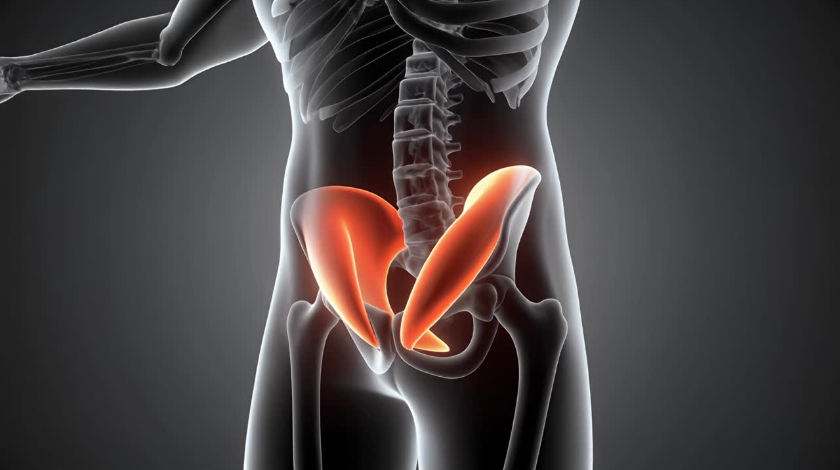
    Let’s break it down without the intimidating textbook language. The name “iliopsoas” (ill-ee-oh-SO-as) is a two-for-one deal. It’s actually a team of two muscles—the psoas major and the iliacus—that join forces to become the primary hip flexor.

    Imagine the psoas major as a thick, powerful rope. It originates from the sides of your lower spine (the lumbar vertebrae). Now, picture the iliacus as a fan-shaped muscle that lines the inside of your hip bone (the ilium). These two muscles travel down through your pelvis, merge together, and attach to the top of your thigh bone (femur).

    Think of it like this: when you contract your iliopsoas, it’s like pulling on a rope that connects your spine to your thigh. This action is what lifts your knee toward your chest. Every step you take, every time you climb stairs, or even when you just swing your leg out of the car, your iliopsoas is working.

    But its job isn’t just about movement. Because of its unique attachment to your spine, it’s also a crucial postural stabilizer. A healthy, balanced iliopsoas helps keep your lower spine in a neutral, supported position. It’s part of your inner core team, working quietly in the background to hold you upright.

    Part 2: Why Does This Muscle Cause So Much Grief?

    Here’s where modern life gets us into trouble. The iliopsoas is a victim of our lifestyle, and its problems usually boil down to two opposite but connected issues: it’s too tight, too weak, or often both.

    The Tyranny of Sitting: This is the number one culprit. When you sit for hours, your hip flexors, led by the iliopsoas, are in a permanently shortened position. Over time, they physically adapt to this length. They become chronically tight and short. When you stand up, these now-tight muscles pull on your spine, often tilting your pelvis forward into an exaggerated arch (anterior pelvic tilt). This strains your lower back muscles, leading to that familiar ache. It’s like wearing a shirt that’s two sizes too small all day—everything feels restricted and pulled out of place.

    The Imbalance of Weakness: A tight muscle is not necessarily a strong muscle. In fact, a muscle stuck in a shortened state often becomes weak and lazy. It forgets how to contract properly. So, when you do ask it to work—like during a run or a heavy squat—it might fail or recruit other muscles (like your rectus femoris, another hip flexor) to do its job. This leads to overuse, strain, and pain, often felt as a deep ache in the front of the hip or groin.

    Other Common Causes:

    • Overuse in Activities: Runners, cyclists, dancers, and soccer players repetitively flex their hips, which can lead to iliopsoas tendonitis (inflammation) or bursitis (inflammation of the fluid-filled sac near its attachment).

    • Compensating for Weak Glutes: If your butt muscles are inactive (a common issue called “gluteal amnesia”), your iliopsoas and hamstrings will overwork to try to stabilize your hip and pelvis.

    • Acute Injury: A sudden, forceful contraction, like slipping and catching yourself, can strain the muscle.

    Part 3: How to Know If Your Iliopsoas Is the Problem

    Iliopsoas pain is a master of disguise. It rarely screams its name. Here’s what to listen and feel for:

    • A deep, aching pain in the front of your hip, right where your leg meets your torso.

    • Pain in your groin that may travel down the front of your thigh.

    • Stiffness or pain in your lower back, especially when standing upright after sitting.

    • A clicking or snapping sensation in the front of the hip when you walk, swing your leg, or get up from a chair (this could be “snapping hip syndrome,” where the iliopsoas tendon flicks over the bony structures of the hip).

    • Difficulty with activities that involve lifting your knee, like climbing stairs, running, or kicking.

    A Simple Home Check: The Modified Thomas Test
    You can get a clue about iliopsoas tightness with this basic test. Lie on your back on a firm bed or table with your legs hanging off the edge, knees bent. Gently pull one knee into your chest, hugging it to keep your lower back flat. Let your other leg (the one you’re testing) relax and hang down.

    Look at the hanging leg:

    • If your thigh lifts significantly off the surface, your iliopsoas on that side is likely tight.

    • If your knee stays highly bent (your thigh is down but your calf is parallel to the floor), your rectus femoris (another hip flexor) might be tight.

    Important Note: This is a screening tool, not a diagnosis. Pain during this test is a bigger red flag than just tightness. If you feel sharp pain, stop and consult a healthcare professional.

    Part 4: Your Practical Guide to a Happier Iliopsoas

    The goal isn’t just to stretch it aggressively. It’s to restore balance: release excessive tension, then teach it to be strong and functional at its proper length.

    Step 1: Gentle Release (Letting Go)
    Forget the intense, painful stretches you see online. Start softly.

    • Half-Kneeling Hip Flexor Stretch: Kneel on one knee (use a cushion), with your front foot flat on the floor. Tuck your pelvis under you—imagine you’re trying to zip up a tight pair of jeans. You should feel a stretch in the front of the hip of your kneeling leg. Hold for 30-45 seconds, breathing deeply. The key is the pelvic tuck, not leaning forward.

    • Supported Release: Lie on your back with a firm pillow or foam roller under your pelvis/sacrum. Let your legs relax completely, knees bent, feet on the floor. This position allows gravity to gently encourage a release in the front of the hips. Stay for 2-3 minutes.

    Step 2: Smart Strengthening (Waking It Up)
    We need to strengthen the muscle in its lengthened position.

    • Dead Bug: Lie on your back, knees bent 90 degrees over hips, arms reaching to the ceiling. Slowly and with control, lower your opposite arm and leg toward the floor, keeping your lower back pressed flat. Return to center. This teaches your deep core, including the psoas, to stabilize your spine while your limbs move. Do 2 sets of 10 per side.

    • Standing Marching: Stand tall, core engaged. Slowly lift one knee to hip height, pause for 2 seconds, and lower with control. Focus on using the front of your hip, not swinging your leg. This strengthens the iliopsoas in a functional, upright position.

    Step 3: The Bigger Picture (Fixing the Team)

    • Strengthen Your Glutes: Bridges, clamshells, and banded walks will take the load off your overworked hip flexors.

    • Improve Your Sitting Posture: Sit on your “sit bones” at the back of your pelvis, not slumped on your tailbone. Get up and move for 2-3 minutes every 30 minutes.

    When to Call in the Professionals

    If your pain is severe, sudden, involves numbness/tingling down your leg, or doesn’t improve with consistent self-care after a few weeks, see a physiotherapist or doctor. They can provide an accurate diagnosis, rule out other issues (like hip labral tears or arthritis), and offer hands-on treatment like manual therapy or targeted dry needling.

    Conclusion

    Your iliopsoas is more than just a hip flexor; it’s a vital link in your body’s kinetic chain, connecting your stability to your movement. Neglecting it, often by simply sitting too much, can lead to a cascade of discomfort in your hips, groin, and back. The solution isn’t found in one magic stretch, but in a consistent practice of mindful movement, balanced strengthening, and breaking up long periods of sitting. By listening to your body and giving this deep, core muscle the care it deserves, you can build a foundation for more fluid, powerful, and pain-free movement in everything you do.

    FAQ

    Q: Can a tight psoas really cause lower back pain?
    A: Absolutely. A tight psoas pulls down on the front of your lumbar spine, increasing the arch in your lower back. This puts constant pressure on the facet joints and discs in your back and strains the muscles that have to work overtime to oppose that pull, leading to ache and stiffness.

    Q: How long does it take to release a tight iliopsoas?
    A: There’s no one-size-fits-all answer. If the tightness is purely from recent overuse, you might see improvement in a week or two with consistent gentle stretching and movement. If it’s a long-term postural adaptation from years of sitting, it may take several months of dedicated work to change the muscle’s resting length and strength patterns. Patience and consistency are key.

    Q: Is it bad to stretch my iliopsoas every day?
    A: Gentle, mindful stretching (like the half-kneeling stretch with proper form) can be done daily. However, aggressive, painful stretching can trigger a protective response, making the muscle tighter. Listen to your body. Focus on feel-good movement and strengthening just as much as stretching.

    Q: What’s the difference between iliopsoas pain and a hip joint problem?
    A: Iliopsoas pain is typically muscular or tendinous—aching, pulling, often related to specific movements or postures. True hip joint pain (like from arthritis) is often felt deeper in the groin or buttock, may be sharper, and can cause stiffness and reduced range of motion in all directions. A healthcare professional can perform specific tests to differentiate between the two.