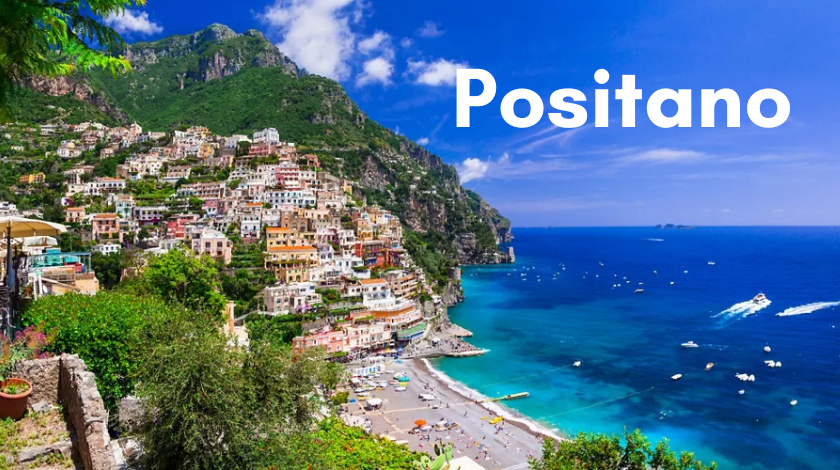
Let’s be honest. You’ve seen the picture a thousand times. A cascade of sugar-cube houses in shades of peach, pink, and sun-bleached white, tumbling down a steep mountainside towards a sparkling blue sea. It’s the postcard for the Amalfi Coast, for Italian summer dreams. That’s Positano. But let me tell you, as someone who has visited in the dizzying height of August and the serene glow of October, the picture doesn’t prepare you for the feeling.
Positano isn’t just a place you see; it’s a place you experience with all your senses. The scent of lemon groves and salt air. The sound of church bells mixing with clinking glasses. The feel of warm, pebbly sand under your feet and the burn in your calves from those famous stairs. This guide isn’t just a list of facts. It’s the guide I wish I had before my first visit—honest, practical, and focused on helping you not just visit, but truly connect with this unforgettable corner of the world.
Why Does Positano Captivate Us So Much?
Before we dive into logistics, let’s talk about the magic. Yes, it’s beautiful. But there’s more. There’s a vertical drama to Positano that feels almost theatrical. Life is layered, quite literally. A grandmother hangs her washing from a balcony high above, while below, a waiter expertly balances a tray of Aperol Spritzes. A luxury yacht glides past a simple fishing boat. This beautiful chaos, this vibrant daily life unfolding on a near-cliff face, is what gives Positano its soul. It’s not a museum; it’s a living, breathing village where beauty and practicality have a fascinating, stair-filled relationship.
Choosing Your Moment: When to Visit Positano
This is your most important decision. The experience varies wildly.
-
Peak Summer (June-August): This is when the postcard comes to life with vibrant energy. The weather is perfect for swimming, boats, and long evenings. But it comes at a cost: extreme crowds, peak prices, and often a feeling of being in a tourist stream. Booking everything months in advance is non-negotiable.
-
Shoulder Seasons (April-May & September-October): My personal gold standard. The weather in late spring and early autumn is still wonderfully warm and sunny, ideal for hiking and sitting outdoors. The crowds are thinner, the pace is gentler, and the sea in September is often at its warmest. You can breathe, wander, and find moments of quiet.
-
Low Season (November-March): A different, more local Positano emerges. Many hotels and restaurants close, but those that remain open offer a deeply authentic and peaceful experience. Don’t expect beach weather, but for writers, artists, or those seeking a quiet retreat with dramatic coastal views, it has a unique charm. Be prepared for some rain.
The Journey There: How to Get to Positano Gracefully
Getting to Positano is part of the adventure. The closest major airports are Naples (NAP) or Rome (FCO).
-
The Stress-Free Classic: Private Transfer. After a long flight, being met by a driver who knows the winding roads is a blissful luxury. They’ll whisk you directly to your hotel. It’s the most expensive but easiest option.
-
The Balanced Choice: Train + Ferry. This is my recommended mix of efficiency and beauty. Take a train from Naples or Rome to Salerno (not Sorrento, from my experience). From Salerno’s port, catch a ferry up the coast. Your first views of Positano will be from the sea—the way it’s meant to be seen—and you avoid the road traffic entirely.
-
The Adventurous Route: Renting a Car. Only do this if you are a very confident driver. The Amalfi Coast road (SS163) is narrow, winding, and busy. The real challenge, however, is parking in Positano. It is scarce and incredibly expensive (think €25-€40 per day). If you do drive, book a hotel with guaranteed parking.
Conquering the Vertical Village: Getting Around Positano
Forget grid systems. Positano is built on a near-vertical slope connected by a web of staircases (scalinatelle) and one main road.
-
Your Feet: They are your primary transport. Comfortable, supportive shoes are not a suggestion; they are the most important item in your suitcase. Embrace the stairs as part of the charm—they lead to hidden corners and breathtaking views.
-
The Local Bus (SITA): The bright orange bus that runs between Positano, Amalfi, and Sorrento is your best friend for avoiding the main road on foot. It’s cheap and frequent, but during peak times, it gets very crowded.
-
Boats: The sea is your highway. Use the local ferry service to visit Amalfi, Capri, or even just Fornillo Beach. It’s scenic, avoids traffic, and is downright pleasant.
The Heart of the Experience: Best Things to Do in Positano
Beyond just posing for photos, here’s how to fill your days with meaning.
-
Embrace Dolce Far Niente on the Beach: Start at Spiaggia Grande, the main beach. Rent a chair and umbrella, order a limoncello, and watch the world go by. For a more relaxed vibe, take the scenic path to Fornillo Beach. It’s smaller, a bit less expensive, and feels more local.
-
See It From the Sea: You haven’t seen Positano until you’ve seen it from the water. Book a small group boat tour or splurge on a private rental for a few hours. You’ll explore hidden sea caves, swim in crystalline coves inaccessible by land, and get that iconic panoramic view. This is non-negotiable.
-
Hike the Path of the Gods (Sentiero degli Dei): For the active traveler, this is a spiritual experience. The name says it all. You hike high above the coast on ancient shepherd paths with heart-stopping views. You can start in Bomerano (easier) and hike down to Positano, ending with a well-deserved reward.
-
Wander Without a Map: Put your phone away. Get lost in the upper streets behind the church, Chiesa di Santa Maria Assunta. You’ll find quiet lanes draped in bougainvillea, tiny family-run shops selling handmade sandals (I still have my pair from ‘Positano Artigianale’), and views that aren’t on any Instagram grid.
-
Savor the Slowness of a Long Meal: Meals here are an event. Don’t rush. Find a cliffside restaurant like La Tagliata (where the view is as stunning as the family-style food) or a small trattoria tucked away. Order the local pasta—scialatielli ai frutti di mare (short, thick pasta with seafood) is a must. Sip local white wine from the slopes of Vesuvius. Talk. Linger. This is the Italian art you’re here for.
A Place to Rest Your Head: Where to Stay
Your choice of accommodation defines your trip.
-
Luxury with a View: Hotels like Le Sirenuse or Il San Pietro offer legendary service and those iconic balcony views. You’re paying for a once-in-a-lifetime experience.
-
Mid-Range Charm: Numerous smaller hotels and B&Bs are carved into the hillside. Look for keywords like “sea view” and “terrace.” Many offer a stunning vista at a more accessible price point.
-
Budget-Friendly Finds: Yes, they exist! Look for guesthouses (affittacamere) in the higher part of town (Nocelle or Montepertuso). You’ll have a commute down the stairs or bus, but you’ll save significantly and live like a local. Hostels are also available.
The Practical Truth: Tips to Save Your Sanity
-
Pack a Killer Day Bag: Once you leave your hotel, you likely won’t go back until evening. Sunscreen, water, swimsuit, cover-up, cash, and those good shoes should always be with you.
-
Cash is King (in small places): While hotels and big restaurants take cards, many smaller shops, beach bars, and taxi boats are cash-only. Always have euros on hand.
-
Dinner Reservations are Essential: You cannot just walk into a good restaurant at 8 PM in peak season and get a table. Plan ahead.
-
Manage Your Expectations: It will be crowded in summer. There will be stairs. It is expensive. Accepting this upfront allows you to relax and enjoy the magic around these realities.
-
Connect with People: Say buongiorno to the shopkeeper. Ask your boat captain about the best swimming spot. These small interactions transform a tourist experience into a human one.
Conclusion: More Than a Destination
Positano, in the end, is a lesson in perspective. It teaches you that the best views come after a climb. That a simple plate of pasta eaten slowly with a view can be a peak life experience. That beauty isn’t always convenient, but it’s always worth it. It’s busy, yes. It’s demanding, sometimes. But it etches itself onto your heart. Go with open eyes, prepared legs, and a willingness to step off the main drag. Let Positano reveal itself to you, layer by colorful layer, stair by ancient stair. You’ll leave with more than just photos; you’ll leave with a feeling you’ll spend the rest of your life trying to get back to.
Frequently Asked Questions (FAQ)
Q: How many days do I need in Positano?
A: I recommend a minimum of 3 full days. This allows one day for relaxing and exploring the town, one day for a boat trip or hike, and one day for a day trip (e.g., to Capri or Amalfi) without feeling rushed.
Q: Is Positano good for families with young children?
A: It can be challenging due to the endless stairs and lack of stroller-friendly paths. If you go, choose accommodation close to the beach or main bus stop, and be prepared to carry little ones. Older children who can manage stairs will love the adventure and gelato stops!
Q: Can I do Positano as a day trip?
A: You can, but I don’t recommend it. You’ll spend most of your time in transit and experience only the crowded peak hours. The magic of Positano reveals itself in the early mornings and late evenings when the day-trippers have left.
Q: What should I absolutely pack?
A: Beyond your usual travel items: Rock-solid, comfortable walking shoes (no new sneakers!), swimsuit and cover-up, a light sweater for breezy evenings, a reusable water bottle, high-SPF sunscreen, and a portable phone charger.
Q: Is it safe to swim in the sea in Positano?
A: Generally, yes. The water is clean and clear. Always pay attention to flagged warning systems on the beach (e.g., red flag means no swimming due to rough conditions). The beaches are pebbly, so water shoes can be a nice comfort.
Leave a Reply